
Writing workflow
A character profile for a novel that keeps growing
Keep established details, current beliefs and accepted changes clear. Build a useful cast reference, then test one scene before continuing your novel.
A character profile is useful when chapter six has to agree with chapter two. Perhaps your protagonist suddenly knows about a private conversation, carries an object she already gave away, or reacts as if an earlier promise never happened. The solution is a small reference you can check while drafting, with a clear distinction between established details and circumstances that have changed.
This guide follows an invented theatre story through a practical Fyrlo workflow: establish the premise, build a chapter plan, keep the cast and plot context together, compare one focused alternative, and continue after reviewing the result. The same notes work on paper. Fyrlo helps with planning and drafting; deciding what becomes true in the story remains your job.
A character profile should answer the next scene's questions
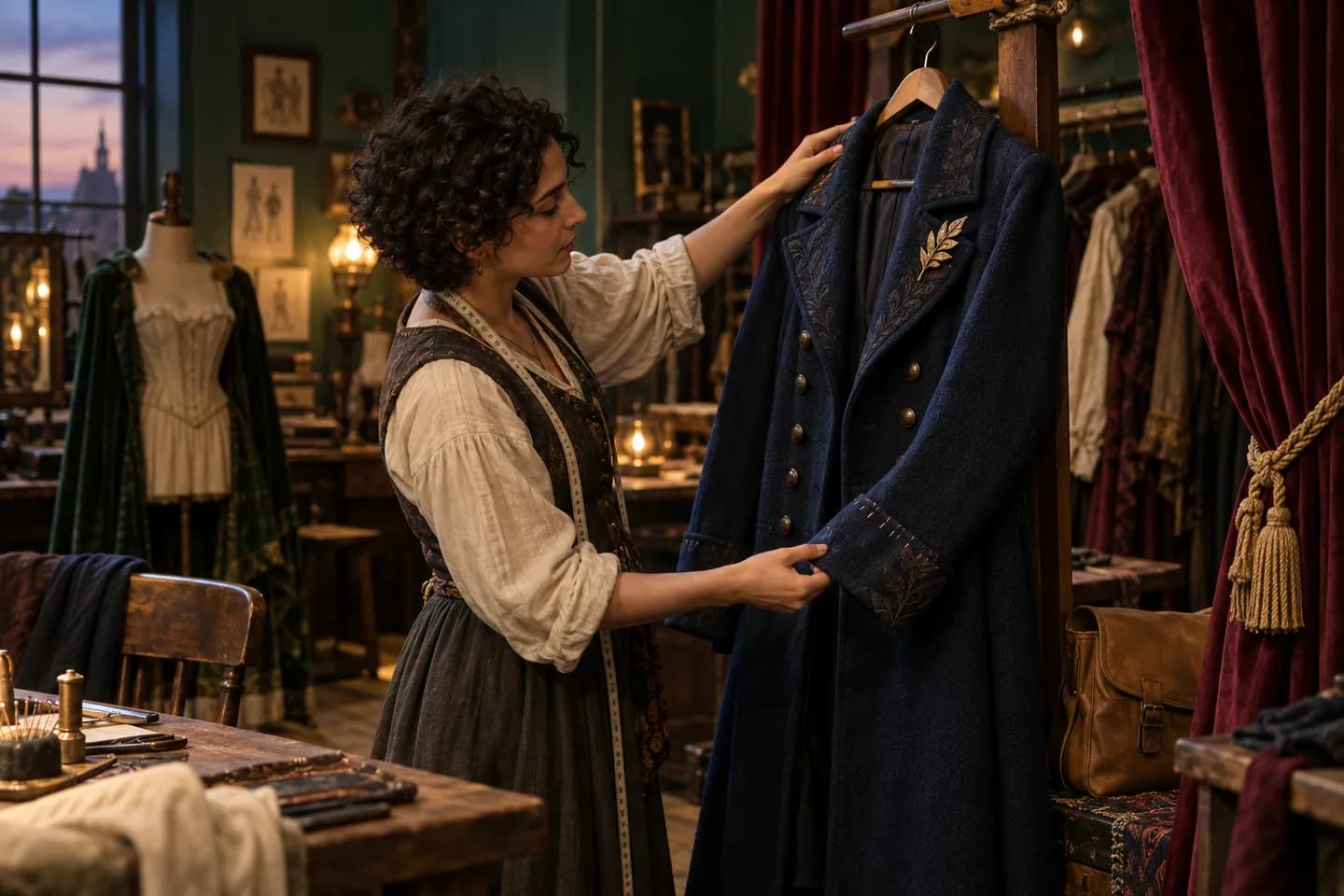
Nina, a stage technician, returns to a small theatre to prepare its reopening. She wears a blue coat with a repaired right cuff, prefers precise arrangements to cheerful assurances, and has promised her colleague Sami that she will check the equipment before inviting the cast. Those details matter because the next scene asks whether she can make that invitation honestly. Her favourite breakfast probably does not matter yet.
Give the profile a few useful fields: name and role; the result the person wants; a relationship that affects a decision; one relevant physical detail; and a habit of speech or behaviour. Write a short example beside an abstract trait. Instead of recording only that Nina is cautious, note that she asks who checked a lamp before agreeing to use it. The example gives you something observable to preserve or deliberately challenge.
Leave questions unanswered when the draft has not established their answers. A filled form can feel reassuring while quietly inventing history the story does not need. You might know that Nina avoids promising dates without checking the crew, yet not know why. Record the uncertainty instead of supplying a childhood explanation. The Open University's character exercise offers a useful starting point for developing a person through a concrete situation; use it to explore possibilities, then choose your own details.

Establish a premise before adding more biography
In Fyrlo, start the Book project with a premise that makes these notes relevant. For this example: Nina has one week to reopen a neglected theatre, but restoring the building requires her to rely on the colleague she previously disappointed. Choose the genre, tone and intended length to suit the book you want to write. Those choices provide direction; they do not determine every scene or replace your judgement about the material.
Review the generated plan before drafting chapters. The opening might establish the equipment check, a later chapter might force a negotiation with Sami, and another might reveal why their working relationship broke down. Ask what changes between those moments. A plan that repeats the same argument in several rooms needs revision even if each chapter summary sounds polished. Keep one necessary turn per chapter visible enough to assess.
Add Nina and Sami as characters with names, roles and traits, and keep their relationships aligned with the plan. A decorative profile describing Nina as endlessly confident would work against the premise if her difficulty is making promises responsibly. Edit the inconsistency now. The linked plot and character feature page explains the app's connected planning context. Use that structure for accepted information, while keeping tentative possibilities clearly marked in your own working notes.
Track what each person knows at this point
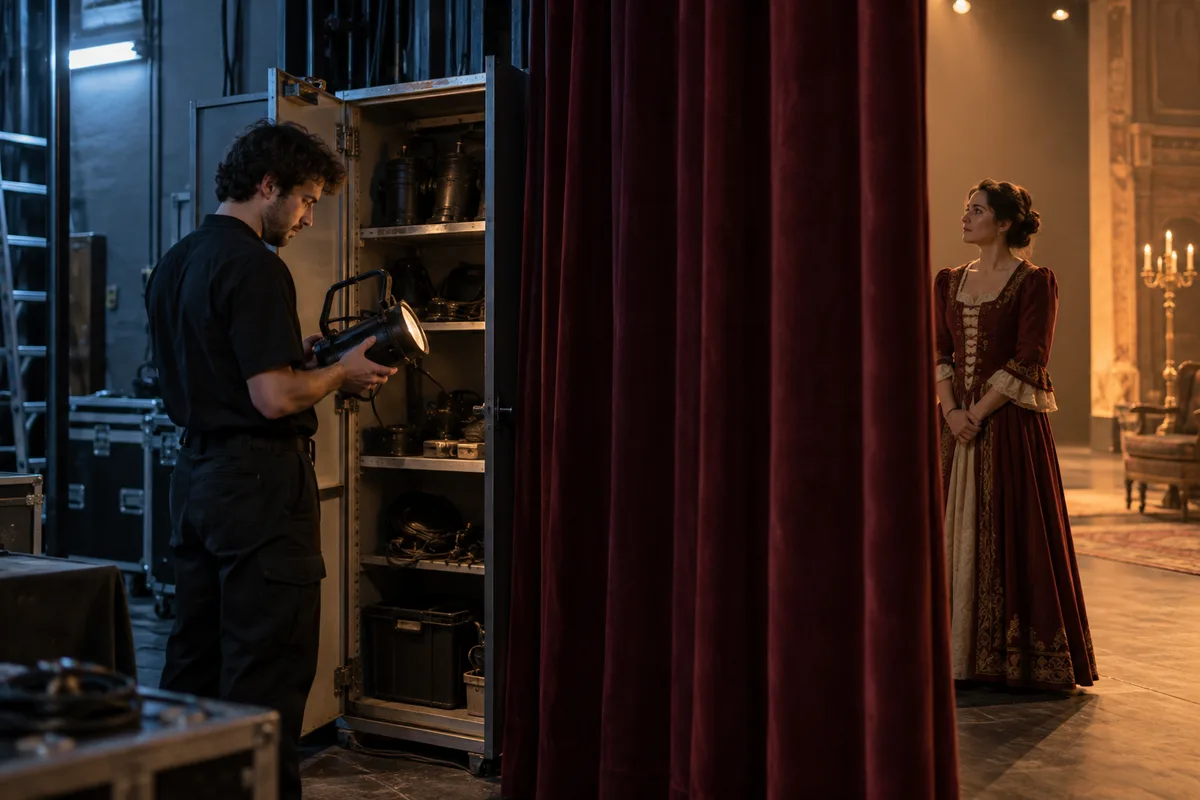
The author knows the whole proposed plan; the characters do not. Suppose Sami has moved a spare lamp into a cupboard, while Nina has only seen the empty rehearsal bench. Nina can ask about the missing equipment. She cannot explain Sami's reason for moving it unless the scene gives her evidence. Track knowledge at the beginning and end of a chapter, particularly when a secret, misunderstanding or delayed disclosure changes a decision.
Keep three sentences beside the chapter: what Nina knows, what Sami knows, and what the reader has seen. They may differ. If the reader watched Sami move the lamp, Nina's concern becomes dramatic irony. If the reader did not see it, the same concern creates uncertainty. Neither version is automatically better. Choose the effect you want and check that the point of view actually permits the information you reveal.
Distinguish a belief from a fact. Nina may believe Sami has abandoned the reopening, while Sami is arranging a repair elsewhere. Write the belief as Nina's interpretation, not as an accepted description of Sami. This protects later chapters from treating a misunderstanding as history. When you add relevant context for a new chapter, give the current interpretation and its limits; a long biography cannot solve a missing knowledge boundary.
Compare one alternative without changing the whole person
Now test the scene where Nina discovers the empty bench. The first draft might have her accuse Sami immediately. A focused alternative could make her ask one practical question before drawing a conclusion. Keep the viewpoint, room, missing lamp and existing promise the same. Then compare the responses: which action shows her caution, which moves the relationship, and which leaves a consequence for the next chapter?
Use a small passage when comparing possibilities in Fyrlo. Keep an accepted copy of the scene before you revise, and state the change you want in plain language: Nina should check the evidence before making an accusation; preserve the equipment problem and the strained relationship. This is an editorial instruction, not a guarantee that every detail will survive. Read the resulting passage for changes you did not request, including new names, invented motives and knowledge that arrived without explanation.
Choose based on the story's needs rather than the smoothness of the prose. An eloquent accusation may undermine the person you are building; a restrained question may leave the scene too passive. You can revise either version yourself, combining a practical question with a visible sign of impatience. Keep only the response you accept. Do not update the character profile with details from an alternative that never enters the manuscript.
Carry a short chapter state into the next draft
After accepting the scene, record its outcome. Nina now knows Sami moved the lamp for repair. Sami knows she suspected him. The lamp is still unavailable, and Nina has delayed the invitation rather than breaking her promise. Those statements describe the current state. They can change later, but the next chapter needs to begin from them unless you provide a transition explaining why something has changed.
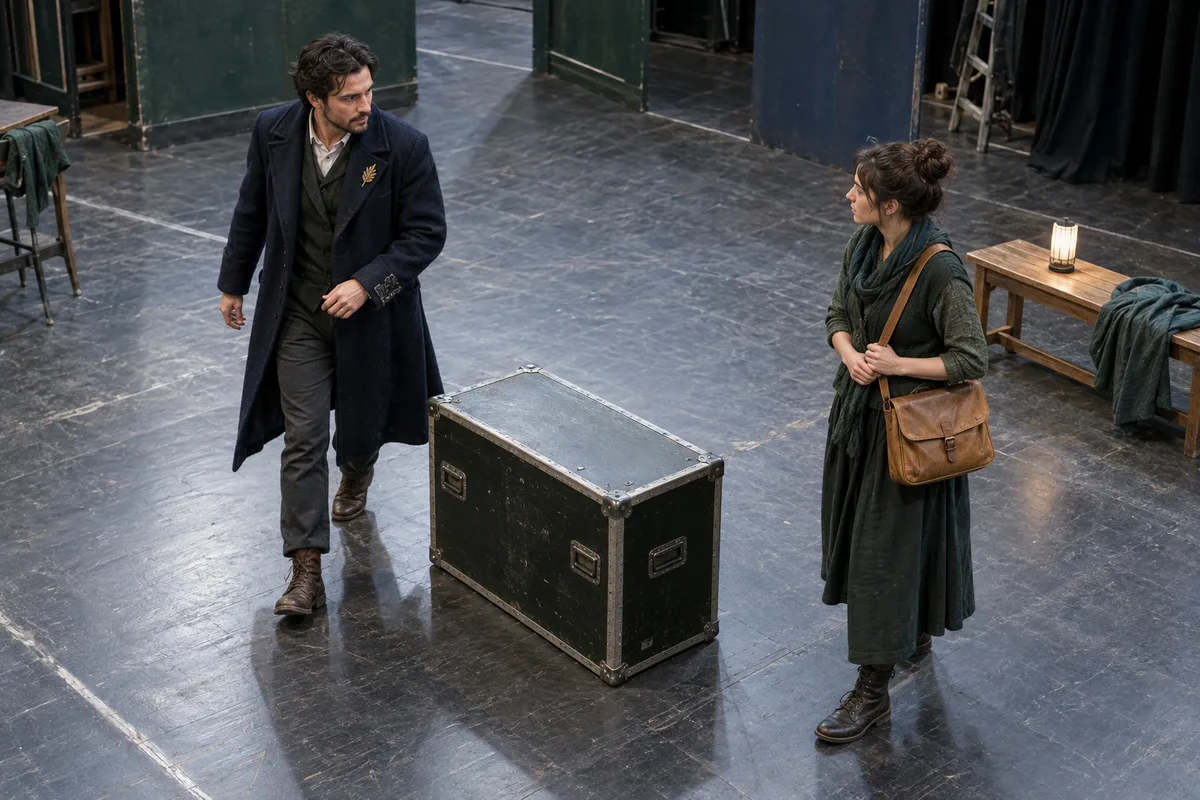
This is also where objects and physical circumstances deserve attention. If Nina puts the brass brooch from her coat into her satchel before a rehearsal, a later description should not casually place it back on her lapel. If she returns it, show or imply the transfer where it matters. Record only objects that affect an action, recognition or promise. Tracking every button creates work without helping the reader follow the story.
Continue chapter by chapter in Fyrlo with the relevant cast, plan and existing story context. Before generating, review the chapter direction against the accepted outcome: Nina must arrange another rehearsal light and repair trust, not discover the same missing lamp again. The app can use project context when drafting, but it may still repeat a beat or contradict a detail. Check the new chapter before letting its events become the starting point for another.

Revise the profile when the manuscript earns a change
Consistency does not mean a person behaves identically forever. Nina may eventually make a promise before every uncertainty is resolved. To make that change convincing, the manuscript needs a reason: she has learned which risks the group can handle together, or has chosen to trust Sami after a specific repair to their relationship. Update the profile with the moment of change and a chapter reference, rather than replacing cautious with confident everywhere.
When revising an earlier chapter, follow the consequences forward. Moving the conversation about the lamp changes when Nina learns the truth, which may change her next decision and Sami's response. Search for the affected object, promise or belief, then reread the relevant scenes in order. A summary can hide the contradiction. The sentence where Nina acts on information is often more useful evidence than an impressive paragraph about her personality.
Keep the process modest enough to maintain. At the end of a writing session, note one accepted change, one unresolved question and the next scene's starting conditions. If the profile becomes a second novel, shorten it to what you repeatedly need to check. The point is to help you return to the manuscript with confidence about its current facts, while leaving room to discover how the person will respond next.
Check the result before treating it as story history
Try a short audit on your latest chapter. Identify three details already established, one belief held by the viewpoint character, and one fact that person has not learned. Mark the actions that depend on each. If an action needs unavailable knowledge, revise the scene or establish the missing information. If a physical detail differs, decide whether it is a mistake or a meaningful change, then make that decision legible.
Fyrlo is a planning and drafting aid, not an automatic continuity editor. It cannot guarantee quality, originality, factual accuracy, copyright status or publication readiness. Review generated wording and any real-world assertions yourself. The Authors Guild's guidance on AI use stresses human review and responsibility; its recommendations provide context for that review, not evidence that an app has checked your manuscript. AI Story Draft is published by Fyrlo's developer, and the theatre scenes here are invented examples rather than reported product tests.
Fyrlo is free to download and includes some usage; features or further use may require in-app purchases. You can complete this exercise with a notebook before choosing a tool. If you use the app, the process page explains the path from premise to a reviewed draft. Finish with one usable character note and a clear starting state for the next chapter. That is enough to make tomorrow's writing session more focused.
Good to know
Questions and answers
How much belongs in a character profile?
Include what changes a scene: a goal, an important relationship, a relevant detail and a recognisable response. Add more when the manuscript needs it. A profile that you can check quickly is more useful than a biography you never reopen.
Can a consistent character change their mind?
Yes. Preserve the earlier position and record the event that changes it. Readers need a reason for the shift, not identical behaviour in every chapter. A chapter reference helps you find the change when revising later scenes.
Does Fyrlo catch every continuity mistake?
No. Fyrlo can use the project plan, selected characters and existing context when drafting. It can still invent or contradict details. Check each accepted chapter and update relevant notes before continuing; keep rejected alternatives separate from established story facts.