01
Start with the idea
Choose a format, genre, tone, and length, then describe the premise you want to explore.

 AI Story Draft
AI story generator & book writing app
Download Fyrlo for iPhone and iPad to shape a premise, plan the chapters, generate a draft, and edit the story you want to keep.
Inside Fyrlo
Fyrlo keeps the important decisions in one project, so you can move from planning into a chapter and revise it before the story continues.
Choose a format, genre, tone, and length, then describe the premise you want to explore.
For a book project, review an editable chapter plan and add the characters the story should remember.
Create the next draft from your plot, plan, character details, and the chapter that came before.
Change the chapter text yourself, save the version you want, and decide when the story should continue.
Explore new possibilities

Epic worlds and unforgettable quests

Bold ideas, new horizons
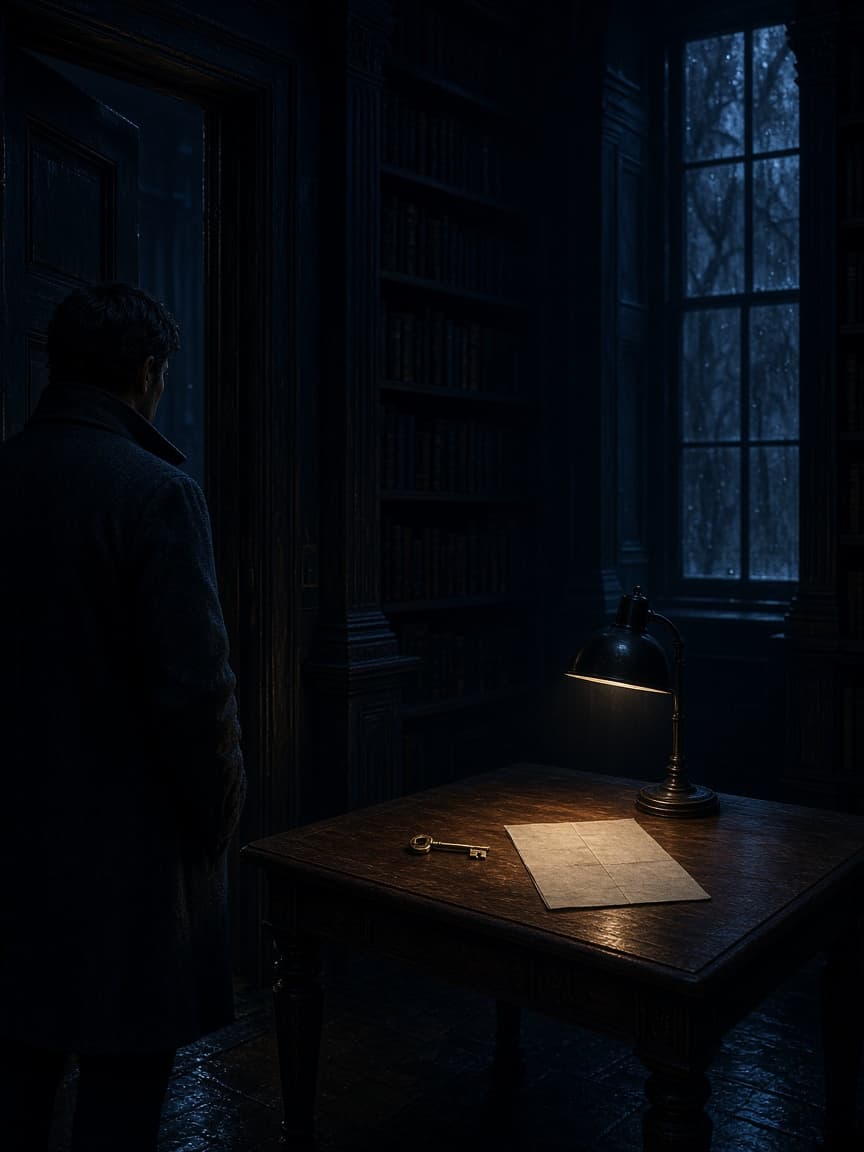
Every question leads deeper
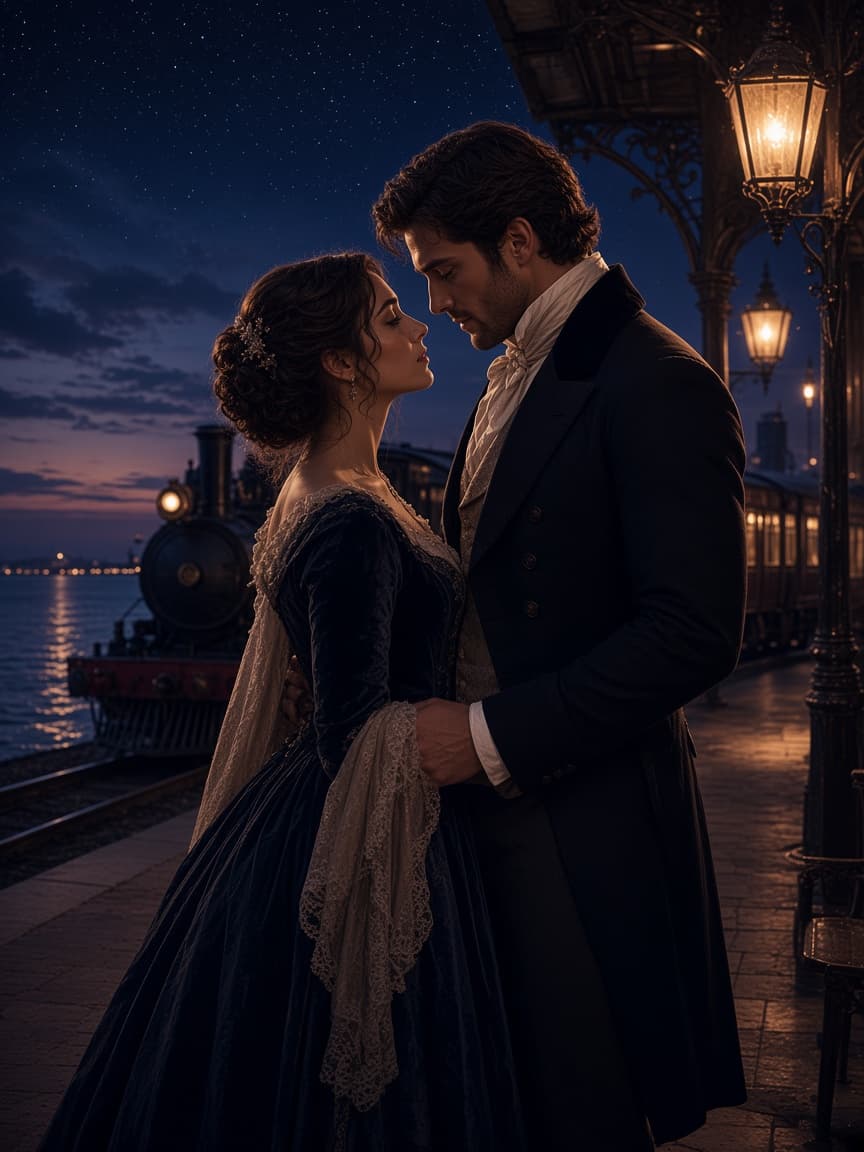
Love in all its forms

Tension that keeps you turning pages
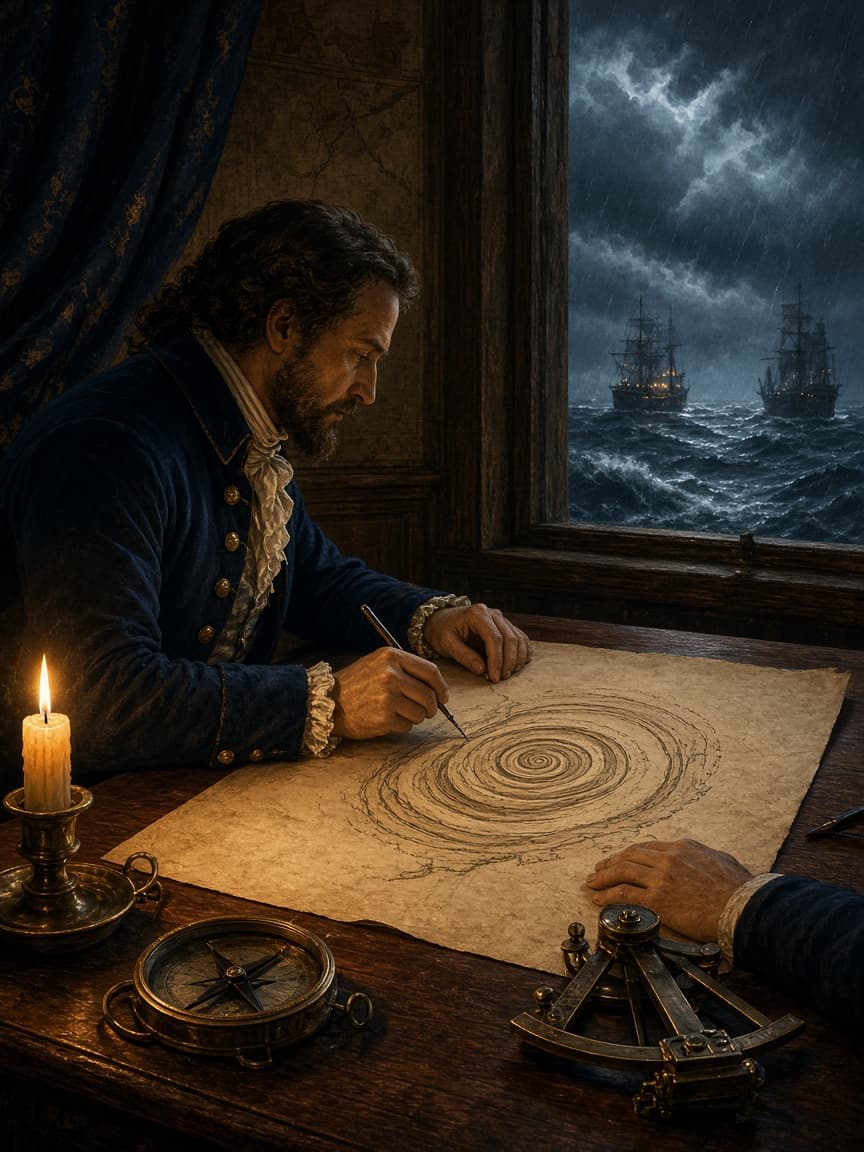
Step into another time
A complete toolkit for storytellers
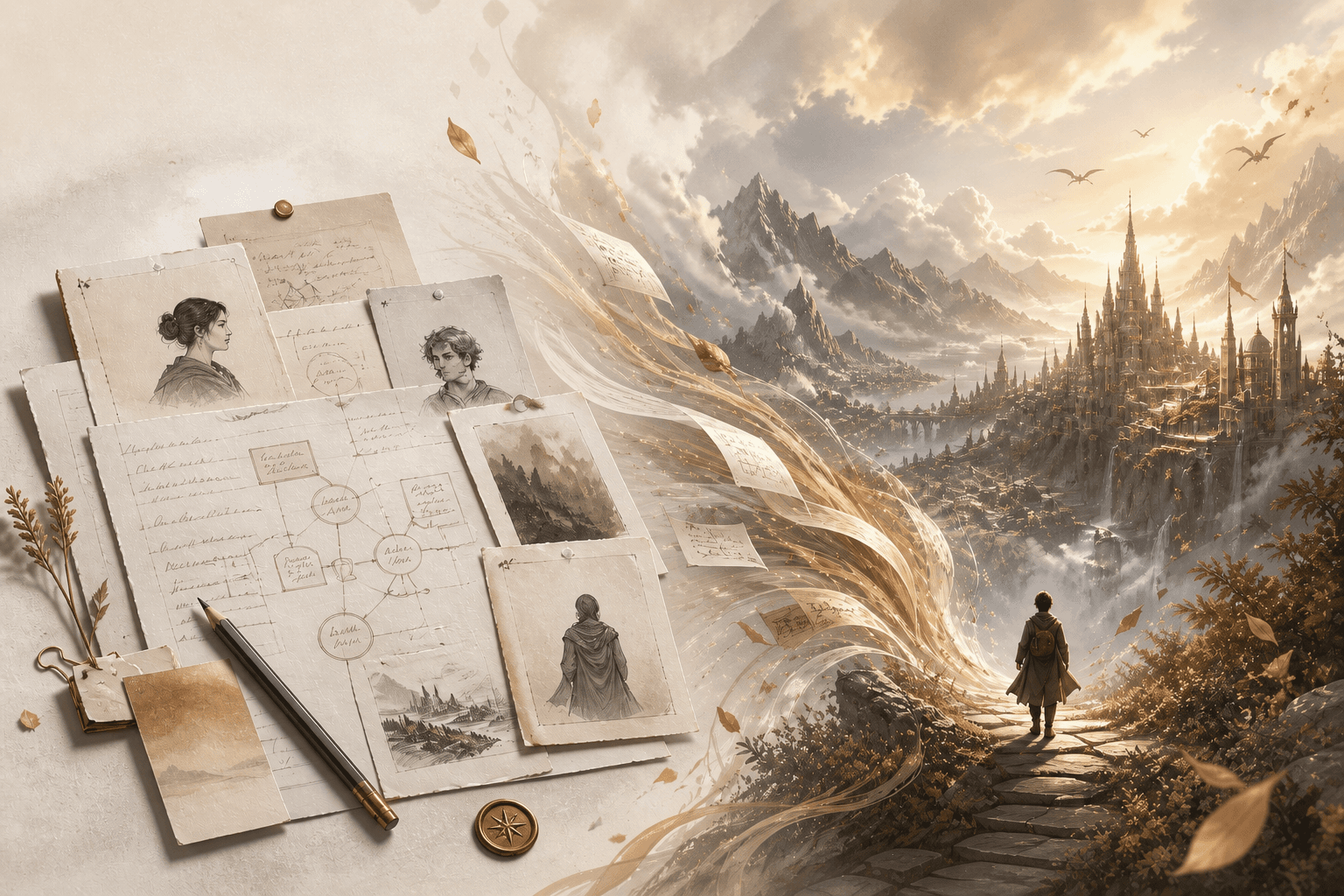
Generate from the premise, genre, tone, length, and character details you choose.
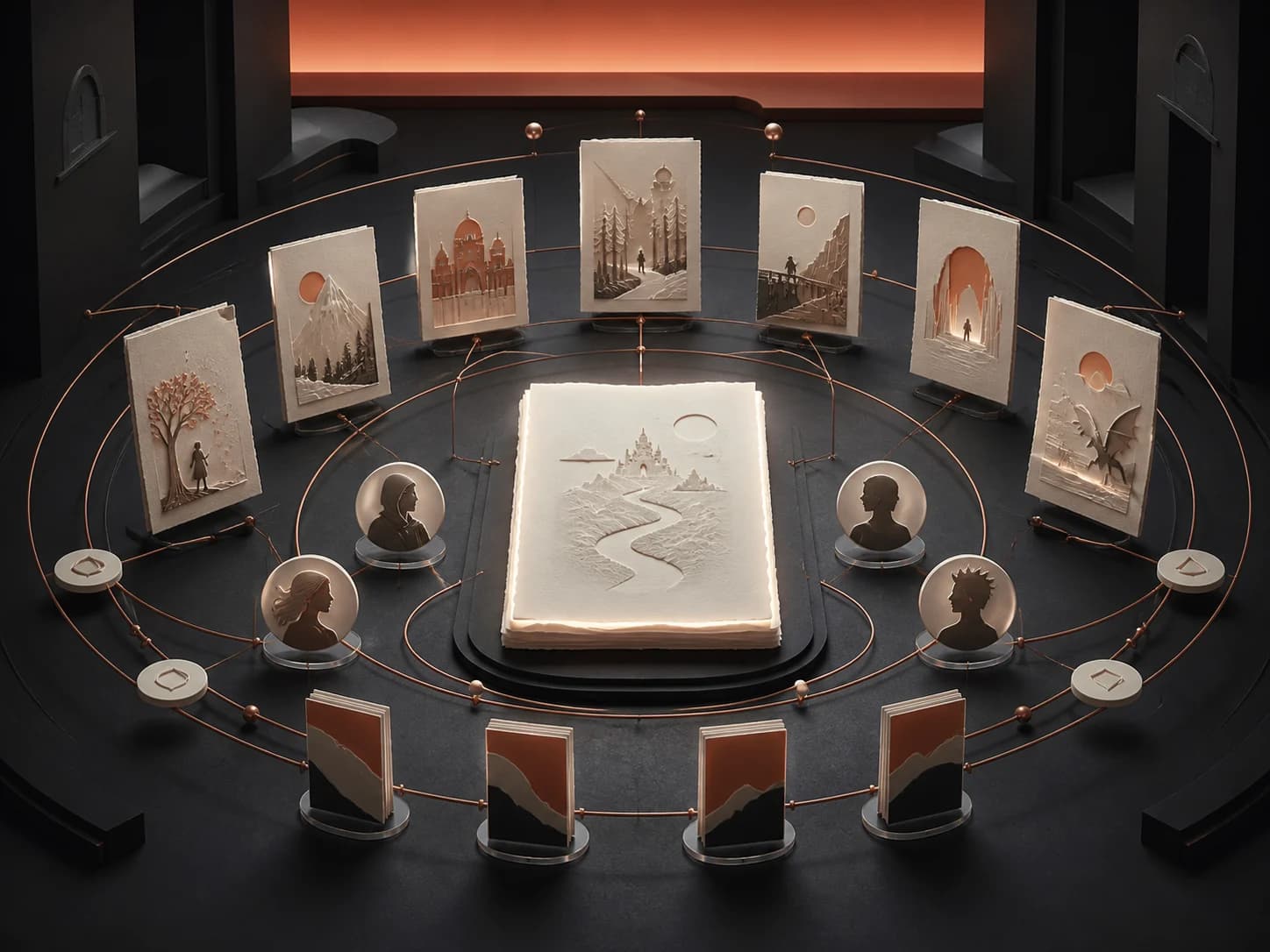
Keep the plot, selected characters, chapter plan, and earlier writing connected to the project.
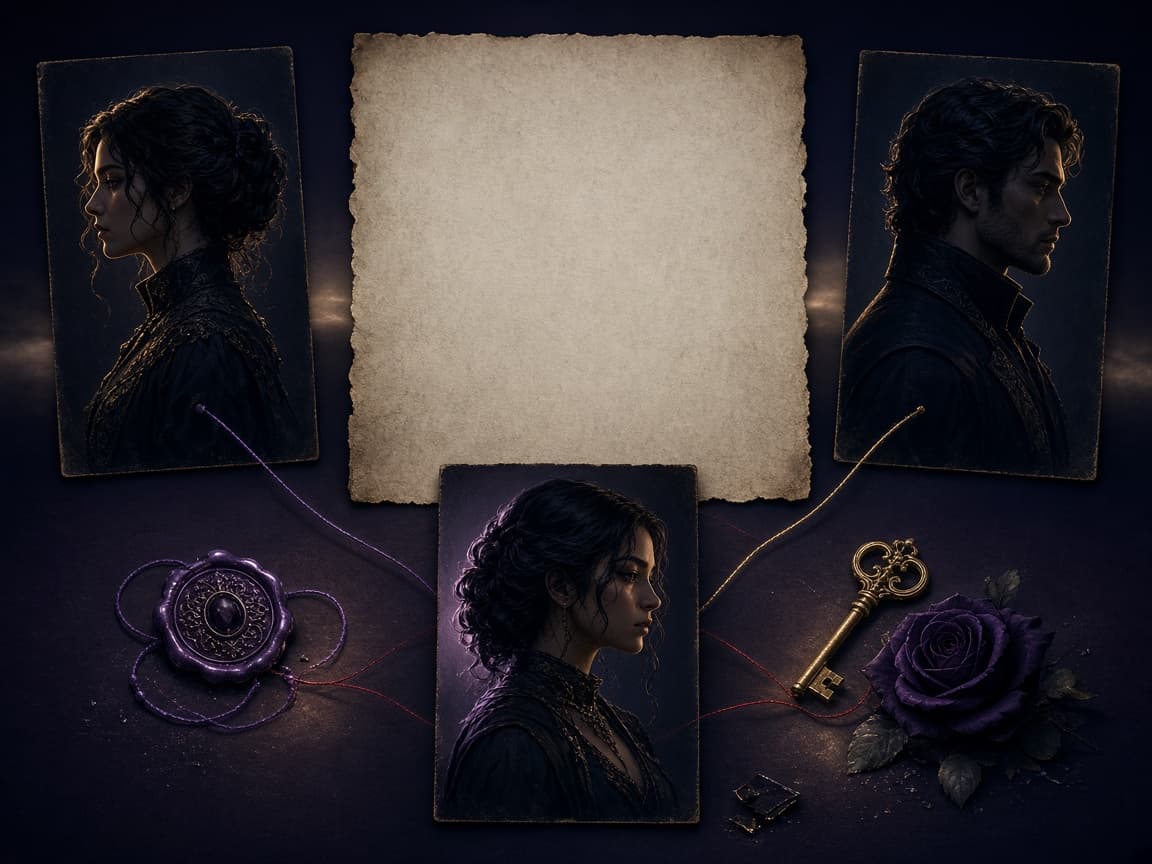
Add names and descriptions that later chapters can use as context.
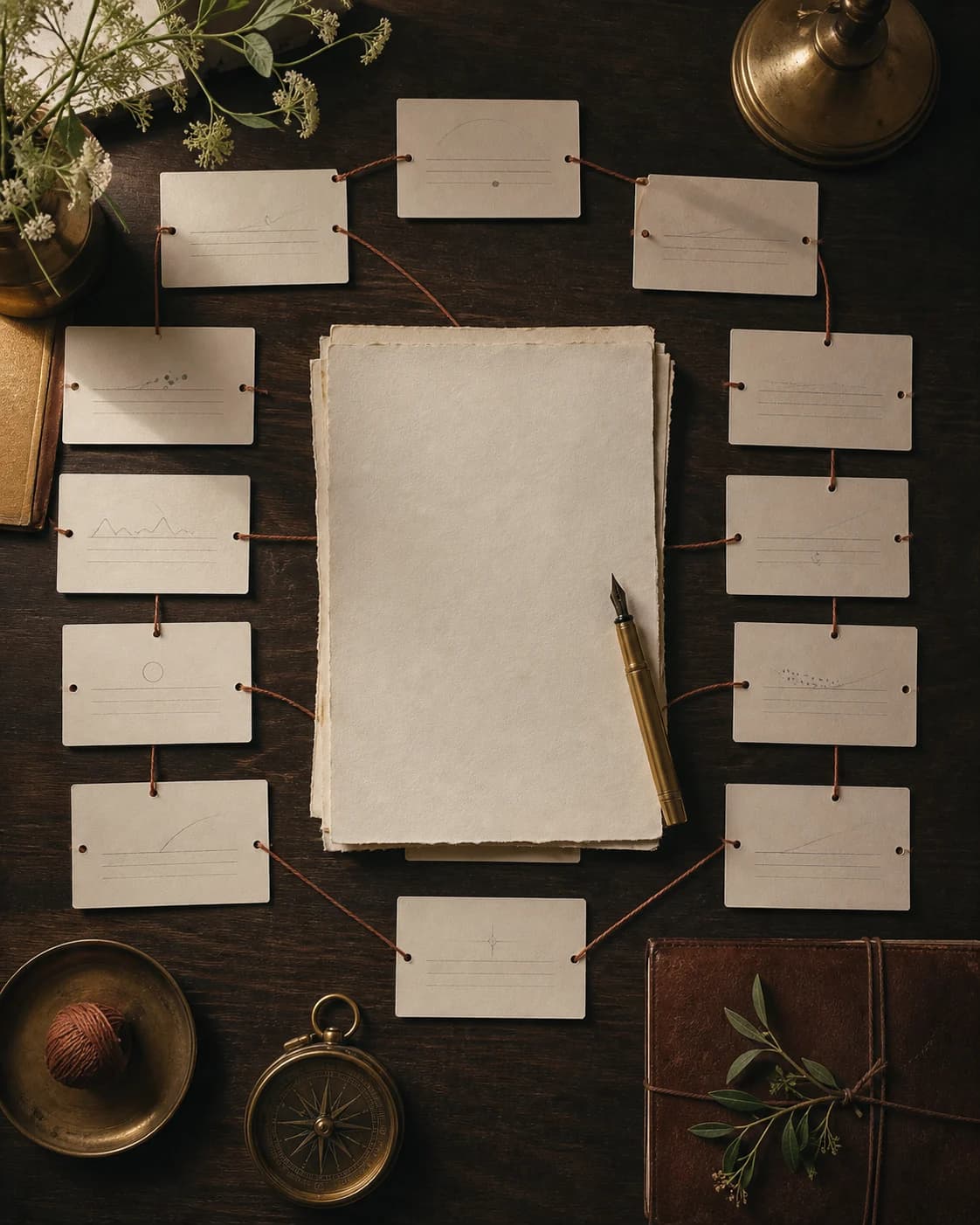
Review chapter titles, summaries, beats, points of view, and locations before drafting.
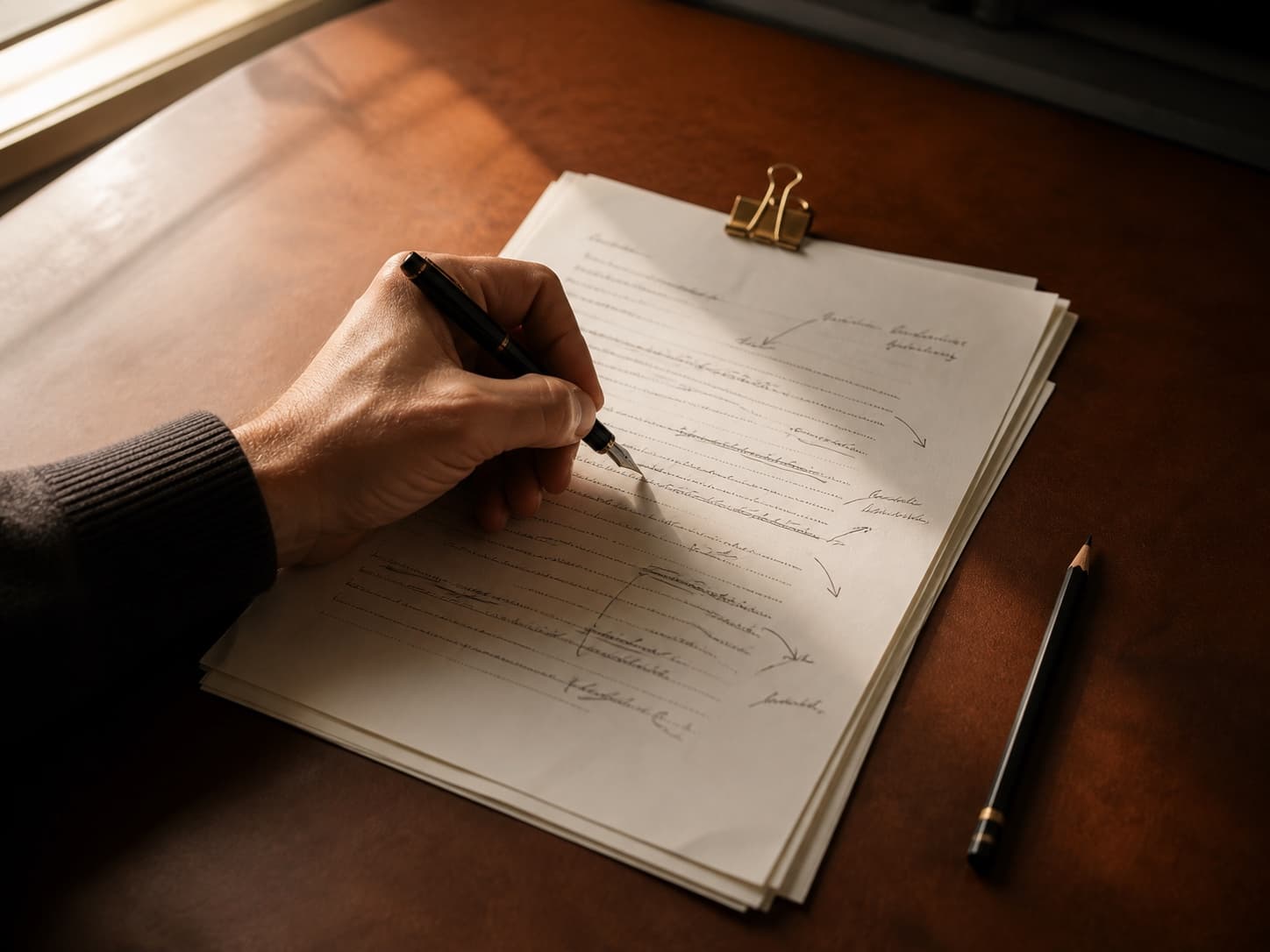
Open a generated chapter, change the text or title yourself, and save your edits.

Read the project in the app, share chapter text, or export the writing as a PDF.
Four ways to begin
A useful AI story generator should understand that a novel does not begin like a poem and a screenplay should not behave like generic prose. Fyrlo gives every format its own structure.
 01
01Plan a multi-chapter arc, keep characters in context, and move through the manuscript one chapter at a time.
 02
02Turn a focused premise into a compact narrative with momentum, a turning point, and an ending.
 03
03Explore a theme through mood, language, imagery, and the emotional direction you choose.
 04
04Shape an idea for the screen through action, dialogue, scene rhythm, and a clear dramatic premise.
The story lab
A genre is not decoration. It changes the pressure, the evidence, the emotional promise, and the kind of ending the reader is waiting for.
Working concept · Psychological thrillerA crisis negotiator receives a call from a victim who officially died three years earlier—and the voice knows why she left the police.
Build the pressure around one impossible call, a private failure, and a deadline that closes before the truth is safe.
Every genre breathes differently
A mystery tightens through uncertainty. Romance moves through changing distance. Fantasy grows when wonder develops a human cost. Choose a genre to see the atmosphere behind its rhythm.

A mystery does not need constant action. It needs controlled information: clues that narrow the possibilities, reversals that change their meaning, and enough quiet space for the reader to form a theory.
DisturbanceA fact refuses to fit the ordinary explanation.
First theoryThe evidence begins to point somewhere specific.
ReversalA true clue acquires a completely different meaning.
ConsequenceThe solution forces a choice, not only an answer.
Before the first chapter
Give the story enough direction to produce a relevant next step—without planning away every discovery. The goal is not a perfect synopsis. It is a dramatic engine you can actually use.
The event that makes the old normal impossible to continue.
A concrete desire strong enough to meet meaningful resistance.
A deadline, discovery, promise, or loss that cannot wait.
The tension, atmosphere, and payoff the reader expects.
An escalating cost that steadily removes the easy options.
The direction of the payoff—not the final sentence.
One premise, six visible decisions
Features are easier to understand when the work stays visible. This historical mystery shows how one project can develop in Fyrlo—without pretending a complete book appears from one prompt.
In 1768, a mapmaker discovers an island on a royal chart no sailor remembers visiting—and a route written in her missing father's hand.
In 1768, mapmaker Mara Vale finds an island on a royal chart that no sailor remembers visiting. The route is drawn in her missing father’s hand—and the ink is less than a week old.
The premise establishes a protagonist, mystery, personal stake, and reason to move now.Chapter one exposes the route. Chapter two forces Mara to steal the chart before the Admiralty seals it away. Chapter three puts her aboard the only ship whose captain recognizes the coastline.
A useful plan describes what changes in each chapter, not only where people go.Mara trusts measurements more than testimony, hides her father’s final letter, and cannot swim. Captain Ilyan needs her skill but suspects her father ruined his family.
Motives and vulnerabilities give later scenes something specific to test.The opening can focus on Mara comparing fresh ink with archived work while officials close the map room around her. The scene has a task, an obstacle, and a question worth carrying forward.
A focused scene is more useful than asking for an entire novel at once.If the draft explains too much, shorten the exposition and let Mara notice three physical clues. If the voice feels distant, rewrite the discovery through her professional habits.
Preserve what works while naming the layer that needs to change.The next chapter should remember that Mara copied one coordinate incorrectly, Ilyan saw her leave the archive, and the Admiralty believes the original chart was destroyed.
Continuity begins with the edited version you decided to keep.The result is not simply “an AI story.” It is an inspectable project whose premise, plan, cast, chapters, and edits remain connected—and can change when the story earns a better direction.
Start your own story in FyrloEditorial example
This comparison shows four editorial approaches to the same fictional moment. In Fyrlo, open the chapter editor to make and save the changes you want to keep.
Mara entered the map room and saw the chart on the table. She was surprised because the island had not been there before. She looked closer and realized the route was drawn in her father’s handwriting.
The anatomy of a Fyrlo project
Long-form writing becomes easier to understand when each kind of information has a clear place. Change one layer, review the consequence, and continue from the version you trust.
The change, desire, obstacle, and stakes that give the project a dramatic reason to exist.
One clear story promiseEditable titles, summaries, beats, point of view, and locations that give every chapter a job.
Structure before expensive proseMotives, traits, relationships, knowledge, and vulnerabilities that later scenes can test.
A cast that remembers what mattersThe manuscript you actually kept—not a pile of disconnected outputs or abandoned chat responses.
One visible source of truthDirect changes to the title and prose before you continue into the next part of the story.
Your changes savedA visual identity, reading experience, and PDF that let the work leave the editor when it is ready.
A project that can travelWhy a dedicated writing app?
Blank documents and general AI tools are flexible, but they often leave the plot, cast, chapters, covers, and revisions scattered. Fyrlo gives the entire project one clear home.
Scattered across files or repeatedly rebuilt inside prompts.
Managed manually or limited to the current conversation.
Generation and editing often happen in different tools.
Another tool, another folder, and another handoff.
Extra formatting is needed before the draft can travel.
Format, premise, plan, cast, and chapters begin in one connected project.
The plan, character context, and approved chapters move forward together.
Generate the draft, read it, edit the chapter text, and save it in the same project.
Cover, progress, format, and chapters remain attached to the same story.
Read in the app, share chapter text, or export the project as a PDF.
The story stays connected
Fyrlo keeps the useful layers of a project visible—from premise and chapter purpose to character pressure and approved prose. Explore how the same story moves through planning, drafting, and revision.
Shape the dramatic job of the next chapter before generating a line. The plan remains editable as the story discovers a better direction.
Mara boards the Meridian under a false commission. Before the harbor disappears, Captain Ilyan recognizes the seal on her father’s chart.
The version you approve—not an abandoned chat response—becomes the story that moves forward.
Premise, plan, characters, and chapters help the current scene without turning the project into noise.
Review the plan, edit the prose yourself, save the chapter, and decide when the manuscript is ready to continue.
The scene clinic
Weak scenes rarely need “better writing” in the abstract. They need a clearer pressure, a more specific viewpoint, a structural change, or a consequence that survives the final paragraph.
Mara entered the archive, found the chart, and studied the unfamiliar island before deciding to take it with her.
The archive keeper tested the first key as Mara found the island. She had one minute to copy the route—or steal the king’s chart.
When the story gets stuck
Writer's block is not always a lack of ideas. Often the manuscript has reached a decision that is still too vague to write through. Diagnose that missing piece before asking for more text.
You have a world, mood, or theme, but no event that forces the story to begin.
The useful moveName the protagonist, unavoidable change, immediate desire, and cost of doing nothing.
What changesChapter one gains a dramatic question and a reason to start.
Characters act, travel, or discover clues, yet the manuscript still feels stationary.
The useful moveGive the chapter one job: expose a cost, change a relationship, remove an option, or force a decision.
What changesThe ending creates a consequence the following chapter can answer.
A character changes motivation or reacts only because the current scene needs it.
The useful moveReview what they want, fear, know, and hide—plus the relationship under pressure.
What changesSurprising behavior still grows from a credible motive or vulnerability.
The facts work, but the voice feels distant, the pace drags, or the emotional turn lacks pressure.
The useful movePreserve useful details and revise one weak layer: explanation, pace, viewpoint, or emotional distance.
What changesRevision becomes a controlled decision instead of another full restart.
A writing session that can finish
Progress becomes repeatable when every session has a beginning, a decision, a complete unit of work, and a clean handoff to the next day. This is a practical rhythm—not a productivity promise.
Return to the approved manuscript, not the earliest generated version. Notice the last decision, the emotional temperature, and the question still open.
One sentence describing where the story standsName the change you need: reveal a cost, test a relationship, remove an option, plant a clue, or move a character toward a difficult choice.
A chapter purpose you can evaluateGenerate or draft one scene with a task, resistance, and consequence. Stay with the current problem instead of opening three unrelated possibilities.
A complete scene—not a perfect oneDecide whether the scene changes the story as intended. Only then revise viewpoint, pace, explanation, rhythm, and individual sentences.
An approved direction with specific editsUpdate the plan or character context, record what changed, and write one instruction for the next scene before closing the project.
Continuity that survives the breakA finished session does not require a finished chapter. A clearer scene purpose, an honest cut, an updated character motive, or one approved page can move the book forward more than five unreviewed generations.
Build a sustainable chapter rhythmClear about the product
Fyrlo uses cloud and AI services to make the writing workflow possible. That should be explained plainly—not hidden behind vague promises about magic or effortless authorship.
Begin without creating an account. Optional sign-in is available when you choose an account-based experience.
Project information uses cloud infrastructure so Fyrlo can save and retrieve your personal library.
Relevant prompts and project context are processed when you request generated writing or artwork.
Product-specific privacy information and controlling legal documents remain easy to find.
The writing studio
 01
01Set format, genre, and pressure before you generate the first chapter.
Open this workflow02Give the next chapter a reason to happen, then carry that context forward.
Open this workflow 03
03Return to the saved draft instead of starting a new conversation.
Open this workflow 04
04Follow the same decisions from idea and format through revision.
Open this workflow05Use the book outline when one chapter is no longer enough.
Open this workflow 06
06Match genre and mood once the story has enough shape to describe.
Open this workflowQuestions and answers
Fyrlo is a focused writing companion—not a promise of instant literary perfection. Here is what the app does and how the process works.
Visit Fyrlo supportFyrlo is an AI story generator app and creative writing workspace for iPhone and iPad. It helps you shape a premise, organize a book, generate and edit chapters, build character context, create a cover, and keep the project in a personal library.
No. Fyrlo is built around a chapter-by-chapter process. You choose the direction, review the plan, edit the writing, and decide when the story should continue.
Fyrlo supports Book, Short Story, Poetry, and Screenplay projects. Each format has its own setup choices and focused creation flow.
Yes. Generated chapters are editable drafts. Open the chapter editor to change the text or title manually and save your version.
Book projects can use an editable story plan, character profiles, and previous chapters as context. You should still review every chapter, but you do not need to rebuild the brief each time.
Yes. Choose an included cover style or describe a direction for a custom AI-generated cover. The selected cover stays attached to the project.
Yes. Fyrlo supports PDF export for a project or individual chapter, and chapter text can be shared from the reading experience.
Fyrlo is free to download and offers optional in-app purchases. Current pricing, included usage, and offer details are shown before purchase.
Fyrlo is designed for iPhone and iPad running iOS or iPadOS 15.6 or later.
You can begin without creating an account. Optional sign-in is available when you prefer an account-based experience.
Project information uses cloud infrastructure so Fyrlo can save and retrieve your library. Relevant context is processed when you request AI writing or artwork.
Credits are used for generation actions in the app. Current usage limits, subscription options, and prices are shown before you complete a purchase.