
Time and revision
Flashback writing for a pending request
Plan a remembered promise, compare one focused Fyrlo candidate and return to the unanswered request with the accepted story facts intact.
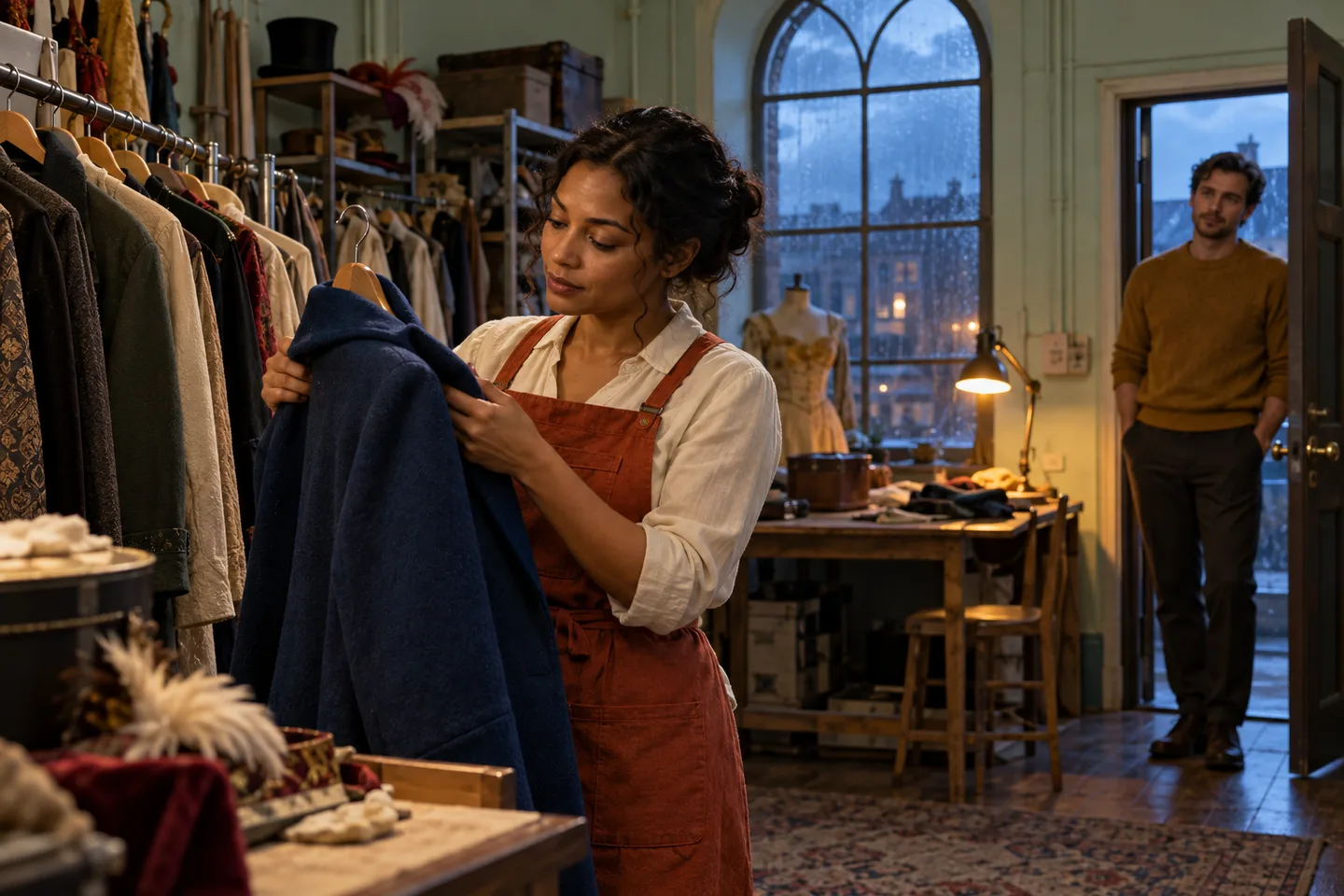
Flashback writing becomes difficult when a past event interrupts a present scene but leaves the reader unsure why it was needed. A character touches an object, the narrative moves backward, and the conversation waiting outside the memory seems to disappear. Adding more background can make that problem worse. Start by identifying the unfinished action the reader should return to.
Our original example follows Lila, an adult volunteer in a community theater costume room. Omar asks to borrow a blue coat for tonight's rehearsal. Three months earlier, Ada left that coat in Lila's care and asked to be consulted before anyone borrowed it. Lila remembers the exchange while holding the hanger. The drafting task is to make that earlier promise legible and then let Lila answer Omar.
Flashback writing begins with the waiting scene
Keep the current request concrete. Omar is near the costume room door, Lila holds the coat, and no one has agreed to lend it yet. Readers should understand those facts before entering the past. A suspended action gives them a point of return. If the manuscript has not established what is happening now, a memory cannot supply the missing orientation by itself.
Oregon State University's guide describes a flashback as an interruption of the story's chronology that presents an earlier scene. It also explains that the past passage can deepen understanding of the current story. That limited craft distinction supports this exercise. The costume room, the adults and the loan request here are original examples, not episodes or exercises borrowed from the university's discussion.
Check whether a remembered scene is necessary. A sentence saying that Ada had asked to be consulted may be enough if only the condition matters. A developed passage earns more space when witnessing the earlier exchange changes how we understand Lila's hesitation. Choose the form according to that purpose. You do not have to retain a flashback simply because the first draft happened to contain one.

Establish a premise before asking for prose
If you use Fyrlo for this revision, begin with a short premise: Lila wants to help Omar prepare for rehearsal but has promised Ada to ask before lending her coat. The present difficulty is a small conflict between helpfulness and a prior commitment. Keep the scale intact. There is no need to add a family feud, a priceless heirloom or an urgent emergency to justify a pause.
Describe the task you want the draft to perform. The earlier exchange should reveal the condition attached to keeping the coat; the return should leave Lila able to respond. This is a provisional writing plan, not a promise that the app will solve the scene. You still decide which event belongs on the page and which details have enough support to become part of the story.
Working without an app is also possible: write the premise above the passage, revise directly, then remove the working note. An assisted workflow is useful only if a focused candidate helps you see a choice more clearly. If writing the request takes longer than making the small revision yourself, stay with the manuscript. The method should serve the writing problem in front of you.
Put event order beside telling order
Make a brief chronological note in your own working material. First, Ada brings the coat to the costume room. Next, she asks Lila to consult her before lending it. Lila agrees. Three months pass. Omar asks to borrow it. That sequence describes the events as they occurred. It does not yet prescribe where the manuscript must reveal each piece of information.
The telling order can begin with Omar's request, move to the earlier conversation and return to the unanswered question. Mark both orders so that a generated passage cannot quietly change their relationship. For example, Ada must not respond to a request Omar has not yet made in the past scene. Lila can remember her promise without possessing knowledge of a later conversation before it happens.
Use simple dates or relative intervals that fit the story. You do not need a complete life history for everyone in the room. The useful reference is the smallest one that resolves the current uncertainty. If the interval changes during revision, update your note and the manuscript together. A persuasive paragraph can still create a contradiction when its timing no longer matches the surrounding chapters.
Keep the accepted character and plot facts together
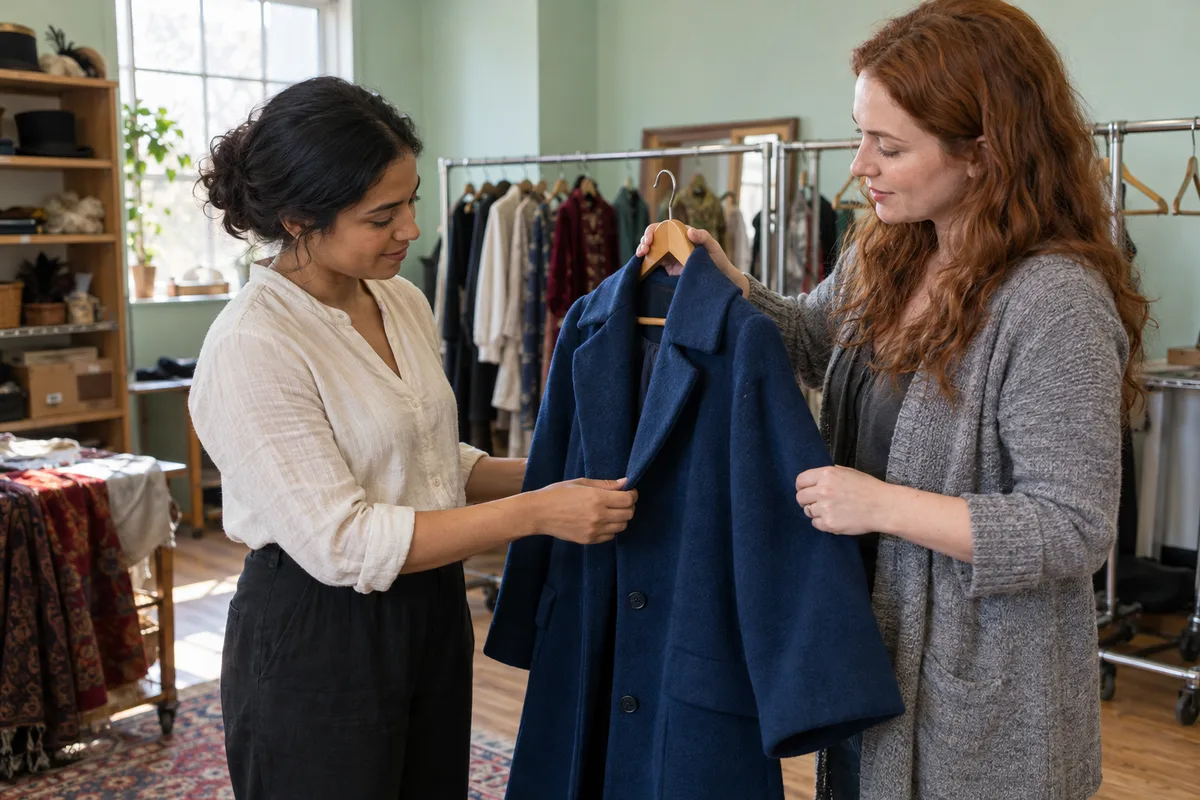
Provide relevant context when shaping a plan or requesting a focused variation in Fyrlo. Ada owns the coat, Lila is keeping it, Omar wants to borrow it tonight, and permission has not been obtained. These are accepted story facts. Separate them from open choices such as the exact wording of Ada's request, the length of the remembered scene or Lila's first reaction.
A useful boundary is that the draft may vary the expression but must preserve those facts. An attractive version in which Ada gives Lila the coat permanently changes the situation. So does a line saying that Omar already asked Ada. Either change removes the very condition the present scene is meant to handle. Judge suggestions against the story you have established, not only against how smoothly they read.
Keep character and plot context together in your working reference so that later drafting can use the same accepted material. Do not assume that a generated continuation will retain every detail without review. If you accept a genuine story change, record it deliberately and revisit its consequences. If you reject an invention, remove it from the candidate before using that text as the basis for another passage.
Draft one earlier exchange within a clear boundary
A focused request might say: “Write one brief candidate for the conversation three months earlier when Ada left her blue coat with Lila. Both are adults. Keep Ada's ownership and her request to be consulted before lending it. End with Lila accepting that condition. Do not add earlier history or continue into Omar's request.” This gives the generation a defined event and stopping point.
Treat the result as proposed prose. Read first for the event, then for language. Did Ada actually state the condition? Did Lila accept it? Can the reader tell that this happened earlier? A vivid description of fabric and morning light does not replace the exchange. Keep only details that support the remembered moment, and avoid building a second background sequence inside this already limited passage.
For an entry into the past, the blue button can serve as a concrete connection: Lila notices it now and recalls Ada fastening it when she delivered the coat. A simple time cue can establish the three-month interval. The object is an available association in this fictional scene, not a universal rule about memory. A direct temporal transition is equally valid if the object cue feels too conspicuous.
Compare the candidate with a shorter alternative
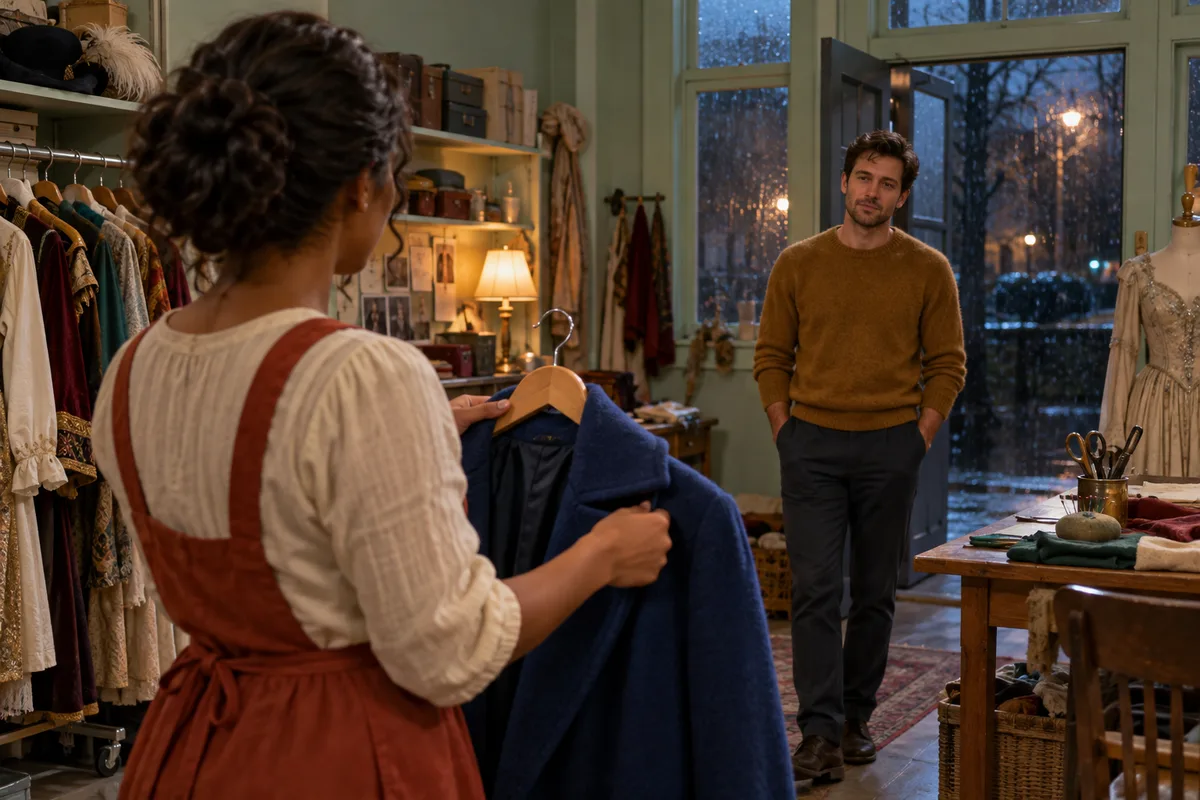
Place the developed memory beside a concise version written in the current scene: Lila recalls that she promised to ask Ada first. Read each with the same preceding request and following response. Which version gives the reader something needed at this moment? The answer may depend on whether Ada's manner, Lila's agreement or the terms of care need to be witnessed rather than merely known.
If you want one alternative from Fyrlo, restrict it to the earlier exchange or the transition you are testing. Ask for a shorter candidate with the same facts instead of requesting several increasingly dramatic rewrites. Compare its new claims, its timing and its effect on the unfinished conversation manually. There is no automatic score that can establish which version belongs in your novel.
Choose a version and state why in your notes: for example, the remembered exchange makes Lila's acceptance visible, while a longer account adds nothing relevant. That reason lets you revisit the decision later. Do not combine every appealing sentence from both versions by default. The resulting passage may repeat the promise twice or expand the pause until Omar appears to have been forgotten in the doorway.
Return to the action that is still incomplete
Bring the reader back to something already established. Omar is still at the door, and Lila still has the hanger in her hand. A return line can locate the current moment before she says, “I need to ask Ada first.” The narrative has made the condition understandable, and the response now follows from it. It has not magically obtained permission or settled Omar's rehearsal problem.
Keep the time taken by the memory separate from the amount of time described in it. A page about an earlier morning does not automatically mean that Lila stood motionless for a page's worth of spoken conversation. Make the current scene plausible through its own action and rhythm. If Omar interrupts the pause, show that interruption clearly and decide what Lila can reasonably have recalled before answering.
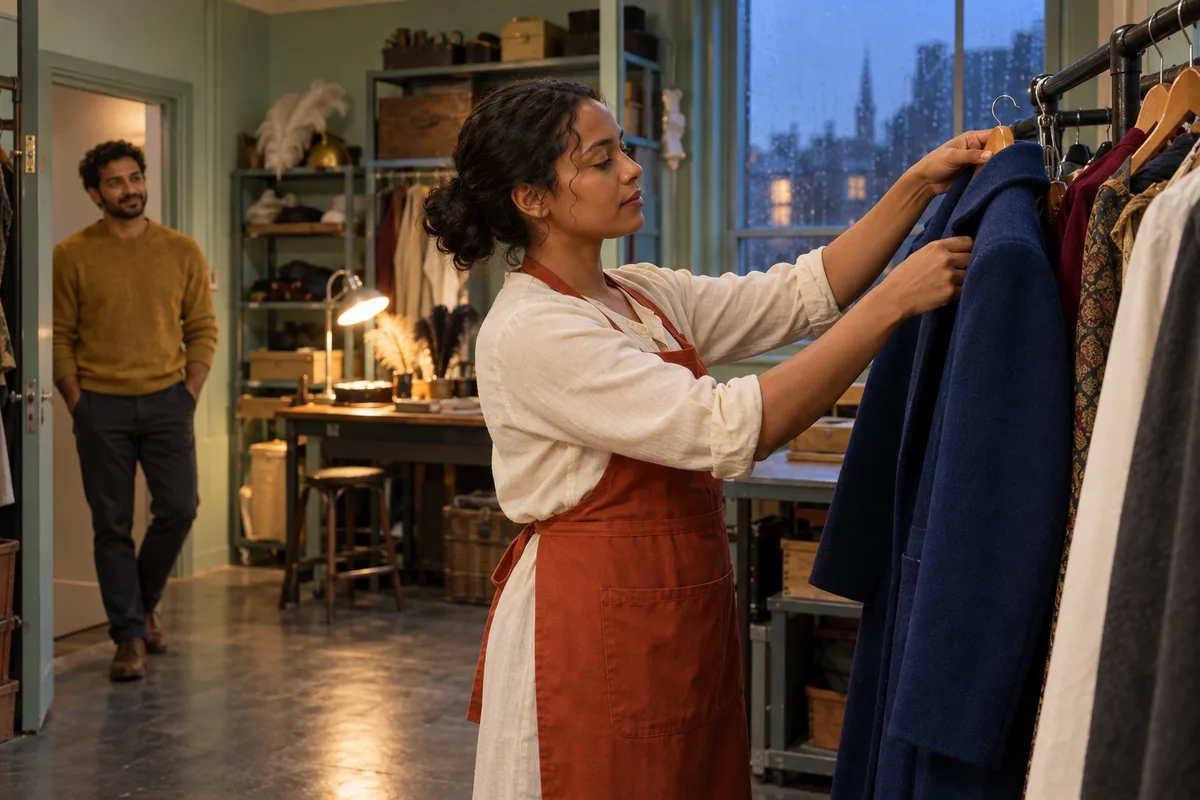
Let the next physical act fit the response. Lila returns the coat to the rail while she arranges to ask Ada. Omar can wait, look for another costume or explain when he needs an answer. These are possible developments to choose, not extra facts to smuggle into the return. The remembered promise supplies context; the current characters must still decide how they will handle it.
Continue chapter by chapter from the accepted version
Once you choose the passage, revise the surrounding chapter before generating further material. Remove rejected alternatives and check whether the promise has already been explained elsewhere. A reader who knows it may need only a brief reminder. If a later chapter treats the coat as lent, show where consultation and the actual decision occur. Remembering a condition is not the same event as meeting it.
For a continuation in Fyrlo, provide the accepted situation: the coat remains on the rail, Lila has told Omar she must ask Ada, and no reply has arrived. Ask for the next limited passage, then review what it adds. Reject a continuation that invents Ada's agreement, changes ownership or grants Omar knowledge of a private memory. Preserve only the developments you consciously accept as you move through the chapters.
AI Story Draft is published by Fyrlo's developer. Fyrlo is a planning and drafting aid; generated text does not guarantee quality, originality, factual accuracy or publication readiness. It is free to download, while features or usage may require in-app purchases. Finish by reading the request, the past passage and the response together. Keep the version whose sequence and consequences you can explain from the words actually on the page.
Good to know
Questions and answers
Does every memory need a developed scene?
No. A brief reminder may be enough when only an established condition matters.
Can a generated passage change the earlier agreement?
It can propose changes, but you must check them against accepted story facts and decide deliberately whether to revise the story.
Does recalling permission mean it has been obtained?
No. Remembering a requirement and satisfying it are separate events. Show the actual decision if the later plot depends on it.