
Writing craft
How sensory details direct attention
Choose a sound or texture that matters to a character. Keep perception precise and the next action clear without filling a scene with every sense.
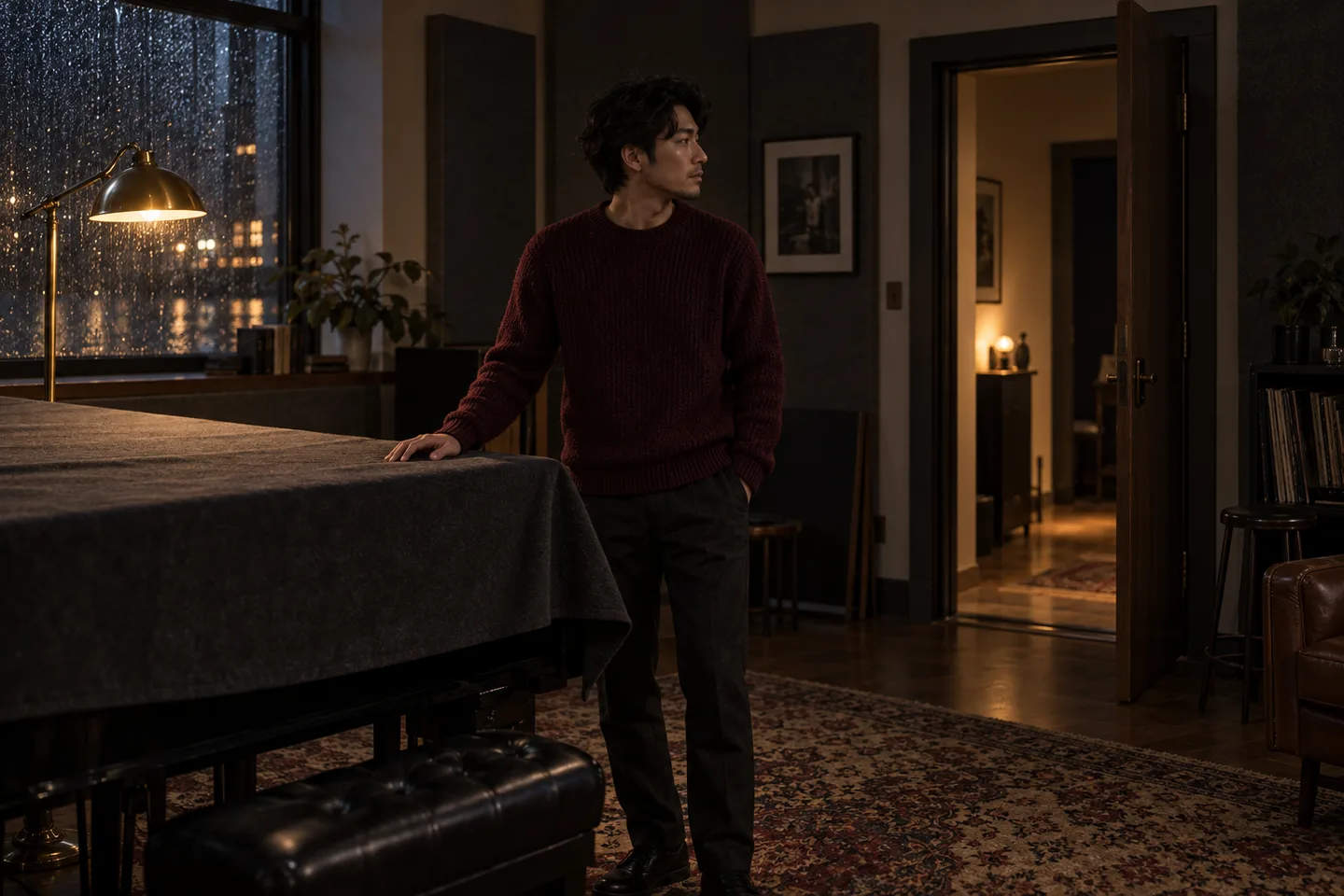
Sensory details can make a passage more concrete while also burying the action beneath an inventory. You describe the room's color, smell, temperature and every small sound, then discover that the reader cannot tell what your character is trying to do. A useful revision begins with selection. Identify the perception that matters to this person at this moment, give it precise language and let the next action remain visible. You can complete this exercise with your manuscript and ordinary notes.
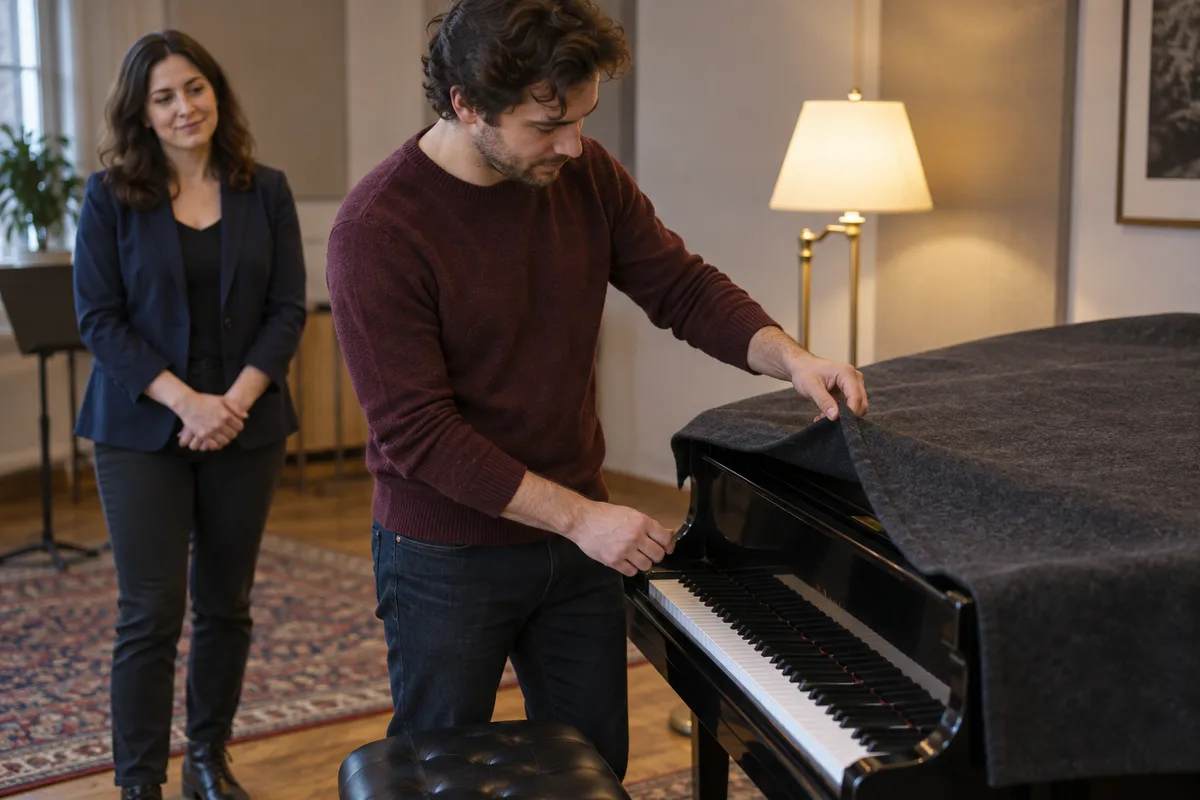
Our original example follows Ravi, an adult musician waiting in a rehearsal room for his colleague Elise. He rests a hand on a felt piano cover, hears a shoe scrape beyond the doorway and turns toward the entrance. When Elise arrives, he folds back a corner of the cover to prepare their session. The situation is deliberately modest: no hidden threat, diagnosis or instrument repair is involved. AI Story Draft is published by Fyrlo's developer; this independent guide does not require an app.
Sensory details begin with a specific purpose
A sensory detail represents something perceived: a sound, texture, temperature, shape, scent or taste, among other bodily experiences. The University of Michigan's Sweetland guide describes several familiar senses and emphasizes selecting significant aspects rather than describing everything lavishly. We use that narrow principle here. Our rehearsal-room example and revision procedure are original; this is not a scientific account of perception or a claim that every reader responds identically to an image.
Write what Ravi is doing before revising his surroundings. He is waiting for Elise so they can begin a session. The felt beneath his hand establishes his contact with the covered instrument; the sound at the doorway redirects his attention. Those details have different jobs. An elaborate description of the lamp might establish atmosphere, but it should not obscure his waiting or his response. Choose the intended contribution of each detail before decorating its wording.
Distinguish a concrete observation from an interpretation. A shoe scrapes the floor; Ravi thinks Elise has arrived. The sound does not prove who made it until the story supplies that information. Keep the distinction clear even in a quiet scene. A sensory description can create uncertainty without announcing danger, and an ordinary explanation can resolve it without a twist. Let the reader follow the available evidence rather than an unsupported narrator's verdict.
Check what the viewpoint can actually perceive
Locate the observing person in the scene. Ravi stands beside the piano, within reach of its cover, looking away from the doorway. He can feel the felt and hear activity behind him. He cannot yet describe Elise's expression outside the room. That limit is useful: it gives the turn toward the entrance a reason. Adding her private thoughts would change narrative access, not merely make the description more vivid.
Your character and plot notes can help identify who is present and what the observer already knows. Keep those notes separate from the text a reader receives. If Ravi recognizes a familiar sound, the prose should establish why recognition is plausible. Perhaps they often rehearse together, but the manuscript must support that relationship. Do not turn a convenient background assumption into certainty solely because it makes the sentence sound confident.
Also check physical access. Ravi cannot feel the surface through a description of the room alone; his hand needs to touch it. A scent requires an available source, though the character may not immediately identify it. Avoid inventing a taste simply to complete a list of senses. Choose perceptions that belong to the actual encounter. This keeps the body in the scene without turning every object into a catalogue of impressions.
Replace broad judgments with observable qualities
“The room felt strange” tells us little about what Ravi notices. Try naming the particular quality that makes him pause. The felt catches lightly against his fingertips, or a normally open doorway is nearly closed. These are possible revisions, not simultaneous facts you must add. Choose the one that serves this passage and preserve the established situation. A precise detail should make the action easier to understand, rather than create an unrelated mystery.
Prefer a useful noun and verb before adding several adjectives. “His fingertips caught on the felt” has an object, a contact and a small physical response. “The wonderfully mysterious, strangely rough covering” introduces evaluations without clarifying that contact. Adjectives remain available when they distinguish the relevant quality. The goal is deliberate language, not a rule against description. Read the sentence aloud to hear whether the observation remains recognizable beneath its modifiers.
Avoid making a detail more extreme just to make it noticeable. The cover does not need to be burning hot, the sound deafening or the room filled with a suffocating odor. Those changes would alter the situation and demand consequences. A small texture or ordinary sound can matter when it interrupts a character's attention. Keep intensity consistent with the event, and revise the words rather than escalating the physical world without a reason.
Let a sound change where attention goes
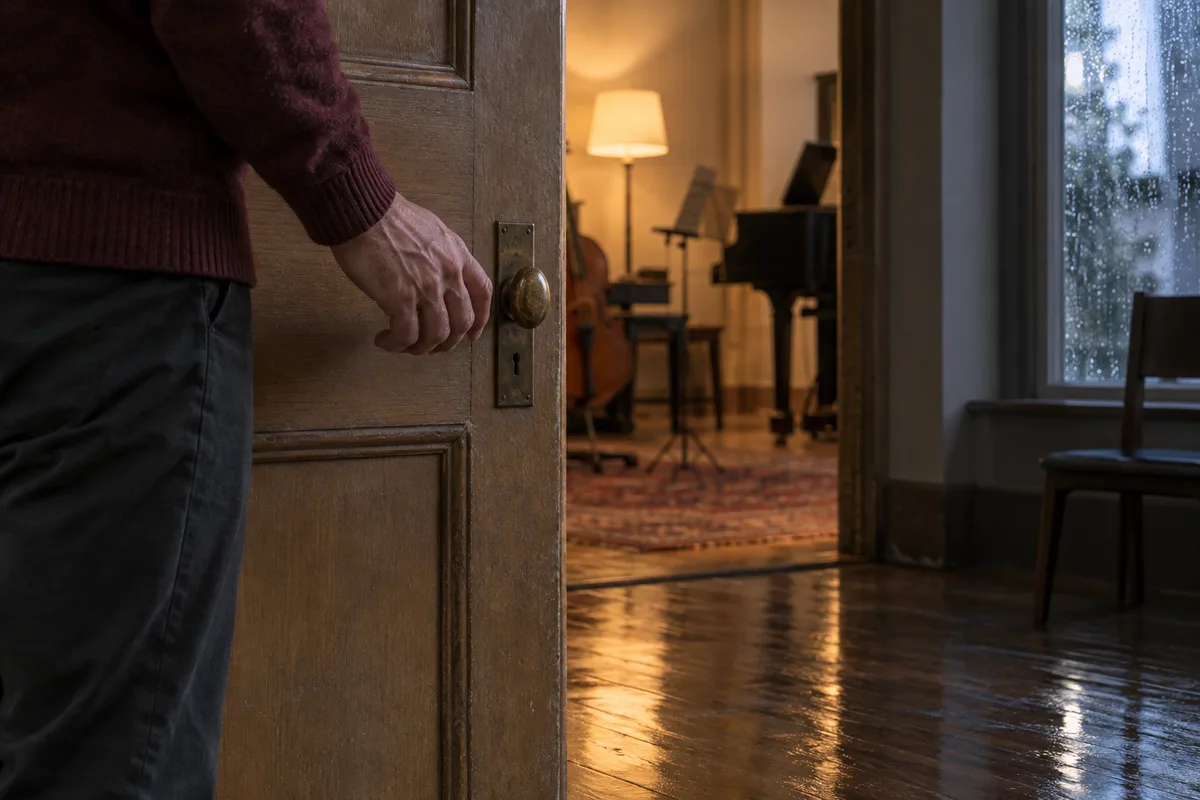
Ravi hears a brief scrape beyond the doorway. He turns his head, sees Elise enter and removes his hand from the cover. That sequence lets the perception lead to a visible response. You do not need a separate sentence explaining that he used his sense of hearing. The source and timing matter more than a label for the sense. Once Elise is visible, her arrival can become the center of the paragraph.
Try a concise original sentence: “A shoe scraped outside; Ravi looked toward the door.” It preserves uncertainty about the person while showing the response. If your viewpoint is closer, you might use Ravi's expectation in the wording, but check when that expectation becomes a confirmed fact. Avoid repeating the sound in several embellished forms before allowing him to react. Repetition is useful only when the repeated event changes his attention or understanding.
Consider what the passage loses if you remove the sound. Perhaps Elise's entrance remains perfectly clear and Ravi's turn needs no preparation. In that case the auditory detail may be optional. Perhaps its removal makes his response appear unmotivated because he was facing away. Then the detail performs useful work. This removal test concerns the specific passage, not a general claim that every action needs an explicitly narrated sensory cause.
Use touch to establish contact, not decoration
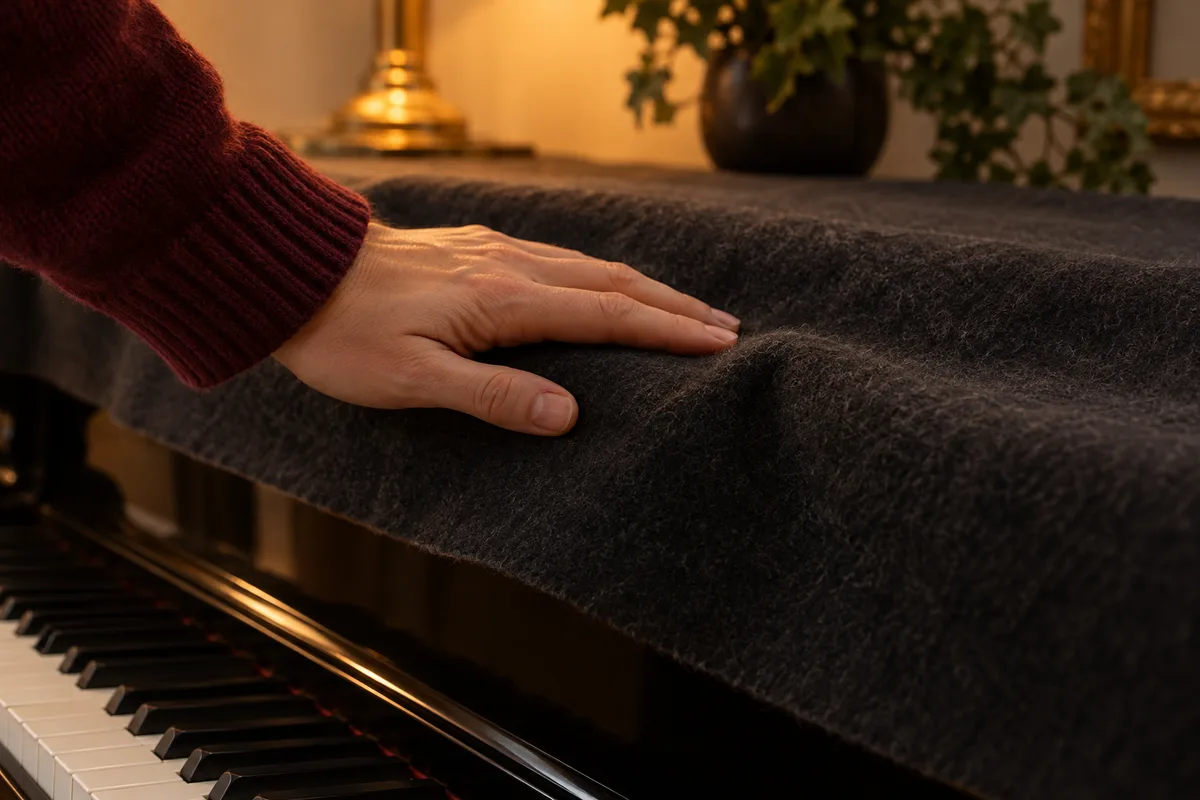
The felt cover gives Ravi something physically present while he waits. Describe the relevant texture through his contact with it, rather than listing every property the material might possess. A slight wrinkle beneath his hand may explain why he smooths or releases it. The description need not claim that felt universally symbolizes comfort, anxiety or nostalgia. Meaning comes from the character's attention and the surrounding action in this particular story.
Keep the gesture plausible and proportionate. Ravi is resting a hand, not conducting a technical inspection. He can notice resistance against his fingers without identifying the material's composition or explaining its manufacture. If the story needs specialist information, research it separately before presenting it as fact. Here the tactile detail serves a fictional encounter and a simple movement; it is not guidance for handling, maintaining or repairing an instrument.
A tactile observation can remain brief. “The felt bunched beneath his palm” gives him a reason to lift his hand when he turns. If you want the wrinkle to matter later, establish that role deliberately rather than relying on accidental symbolism. If it has no further role, it can still give the present contact shape. Avoid repeating the same texture whenever the piano appears simply because the first description worked well.
Keep atmosphere without making a checklist
Some details support a room's mood without changing the next action. A pool of lamplight can help establish a quiet evening rehearsal. Such a detail is not automatically unnecessary. Ask what experience it supports and how much space it needs beside the task. Atmosphere can share the passage with movement, provided readers can still identify who is present, what they are doing and where attention shifts.
Do not add smell and taste to every scene merely because you already used sight, hearing and touch. A checklist can introduce implausible objects or make a familiar room seem exaggerated. If Ravi has no reason to taste anything, let that sense remain absent. If a scent is genuinely relevant, identify its available source and its importance. You are selecting a character's present experience, not demonstrating that you know a fixed number of senses.
Read the descriptive sentences beside the action sentences. Does the lamp compete with Elise's arrival at the moment the conversation should begin? Move or shorten its description if necessary. A detail that works during waiting may distract during a response. The same information can occupy different positions in the scene, so revise placement as well as wording. Do not solve every crowded paragraph by removing all atmosphere from the chapter.
Connect perception to the next accepted action
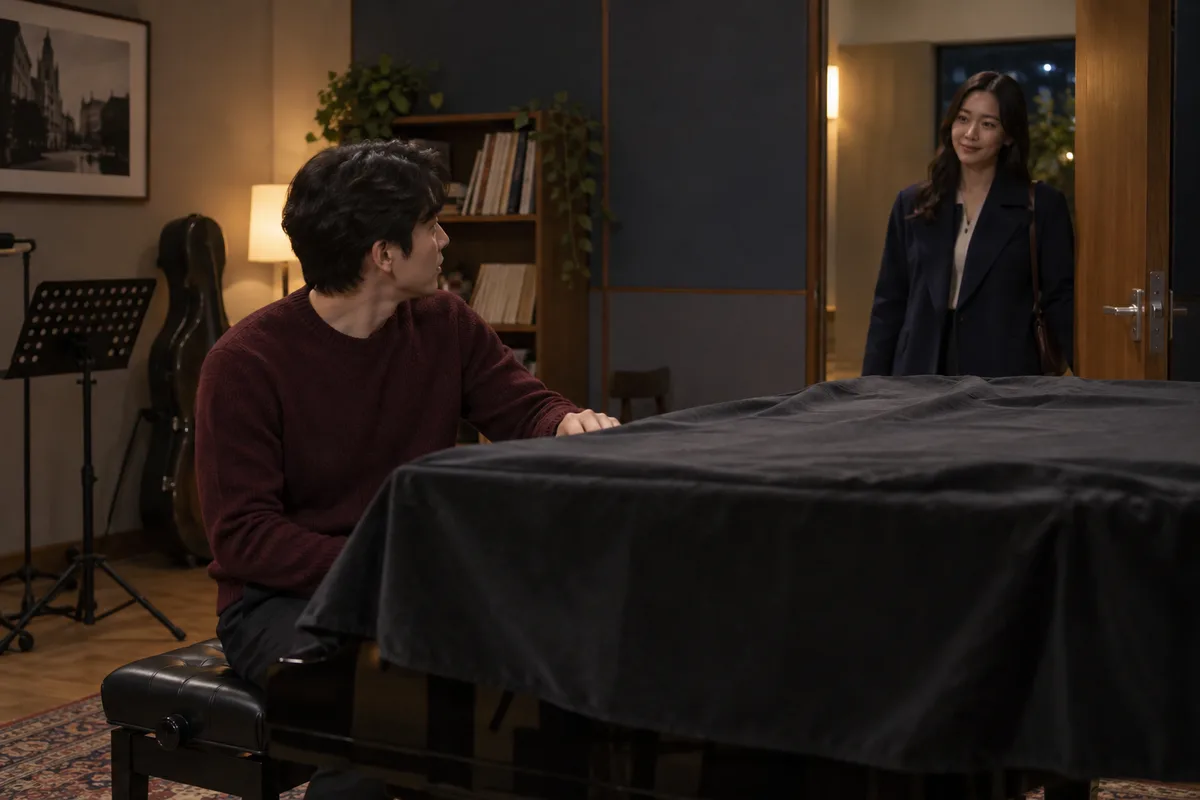
After Elise enters, Ravi folds back a corner of the piano cover. The movement follows the purpose already established: they are preparing to begin their session. Carry the accepted physical state forward. His hand is no longer resting on the covered surface, the corner is folded back and Elise is inside the room. If the next paragraph returns her to the hallway without explanation, the problem is continuity rather than insufficient descriptive detail.
Your chapter continuation notes can preserve that result while you revise. Record only what the manuscript has actually established, separating possible alternatives from accepted events. The scene does not yet say that they played, finished a rehearsal or resolved a disagreement. A vivid description should not silently manufacture those developments. Give the next passage a clear starting point and let later actions establish their own consequences.
You may optionally ask Fyrlo for one wording alternative after making the selection yourself. Supply the accepted action and relevant perception, then review whether the candidate preserves them. This is not an automatic sensory evaluator or a guarantee of originality, continuity or reader response. Fyrlo is free to download, while features or usage may require in-app purchases. The independent exercise remains complete without that optional drafting assistance.
Revise by removing one competing impression
Choose a short passage and remove one impression that seems to compete with its purpose. Leave the event order, viewpoint and other facts unchanged. Read the resulting passage in context. Can you still recognize the room, follow the turn toward Elise and understand why Ravi moves the cover? If the answer improves, the removed detail may have been drawing attention away from the encounter. If something useful disappears, restore it or reposition it.
Ask a reader which physical detail they remember and what action followed it. Their response can reveal whether the description and movement are connected on the page. It is an observation about this draft, not a universal score for vividness. If they remember only the lamp and miss Elise's arrival, inspect the emphasis. If they follow the action but cannot place Ravi beside the piano, add the missing contact or spatial reference.
Finish with a brief record of your choices: the observer's position, the sound that redirects attention, the texture that establishes contact and the action carried forward. Then read the whole scene without studying your notes. Keep the details that support its particular experience and let the rest remain available for another moment. A clear selection gives this encounter a physical presence while preserving the modest action you set out to tell.
Good to know
Questions and answers
Must every scene use five senses?
No. Choose perceptions that belong to the encounter and contribute to its purpose.
Should every detail cause an action?
No. A detail may support atmosphere; check its emphasis beside the movement.
Does this exercise require Fyrlo?
No. The selection and removal exercise works in a manuscript and ordinary notes.