
Writing workflow
Can setting in a story change a character’s options?
Give place, time and access a consequence. Shape the scene in Fyrlo, compare one description and review the next chapter against accepted facts.
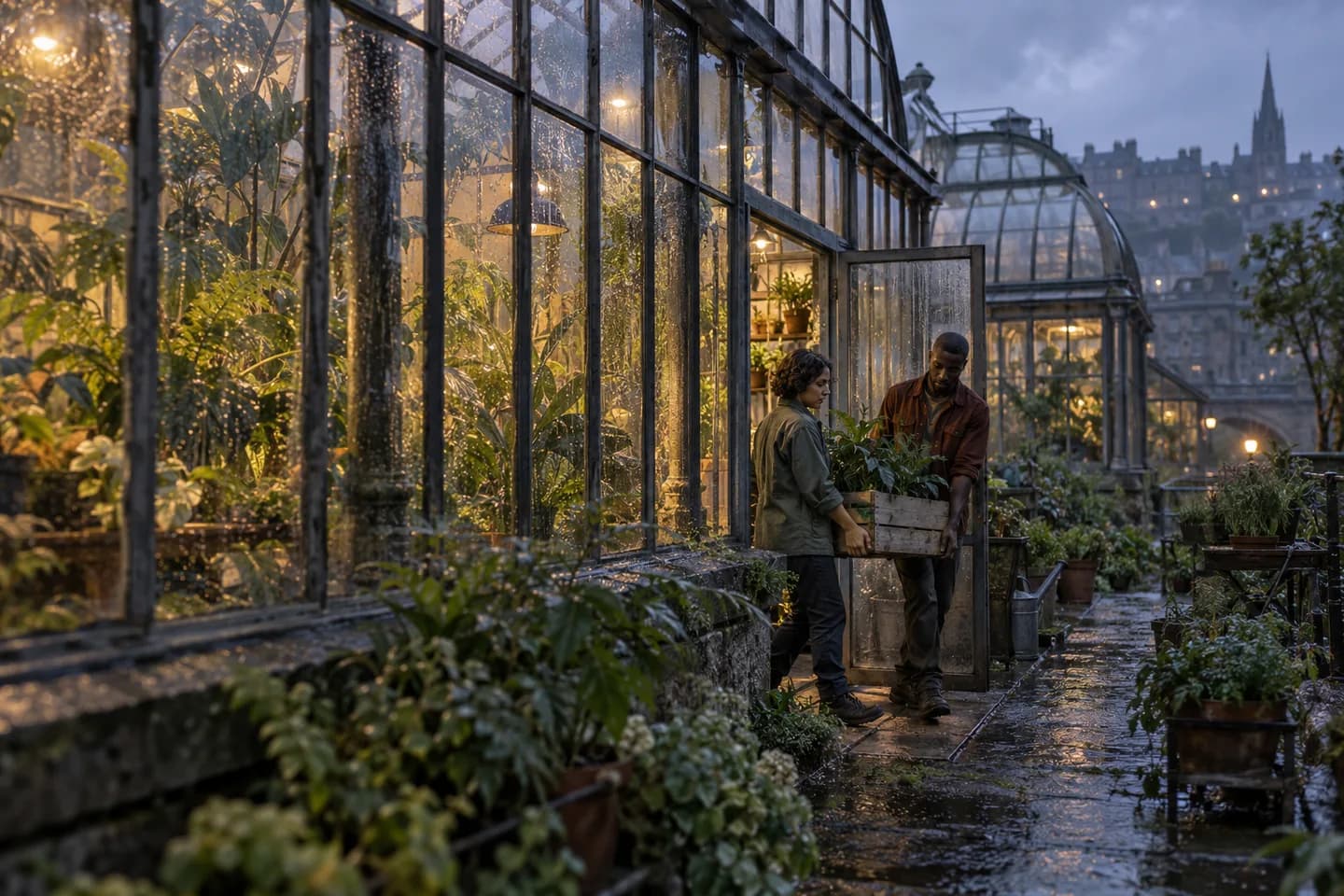
Setting in a story becomes useful when it changes what a character can do. A greenhouse may look beautiful yet function exactly like an empty room: two people could have the same conversation anywhere. The revision task is to connect place, time and social circumstances to the available choices. Give the location a practical effect, let the viewpoint character notice what matters, and carry accepted details into later chapters without repeating an inventory.
This guide follows an original scene about adult gardeners Noa and Ivo clearing a rented greenhouse before its evening handover. Noa wants to keep a fragile plant collection together; Ivo wants to finish carrying the crates before the owner arrives. Rain, a narrow exit and their different attachments complicate the job. We will use a Fyrlo Book plan, character context and reviewed continuation to develop the scene. AI Story Draft is published by Fyrlo’s developer; the workflow below is editorial guidance, not an app test or a promise of better writing.
Setting in a story includes a usable place and time
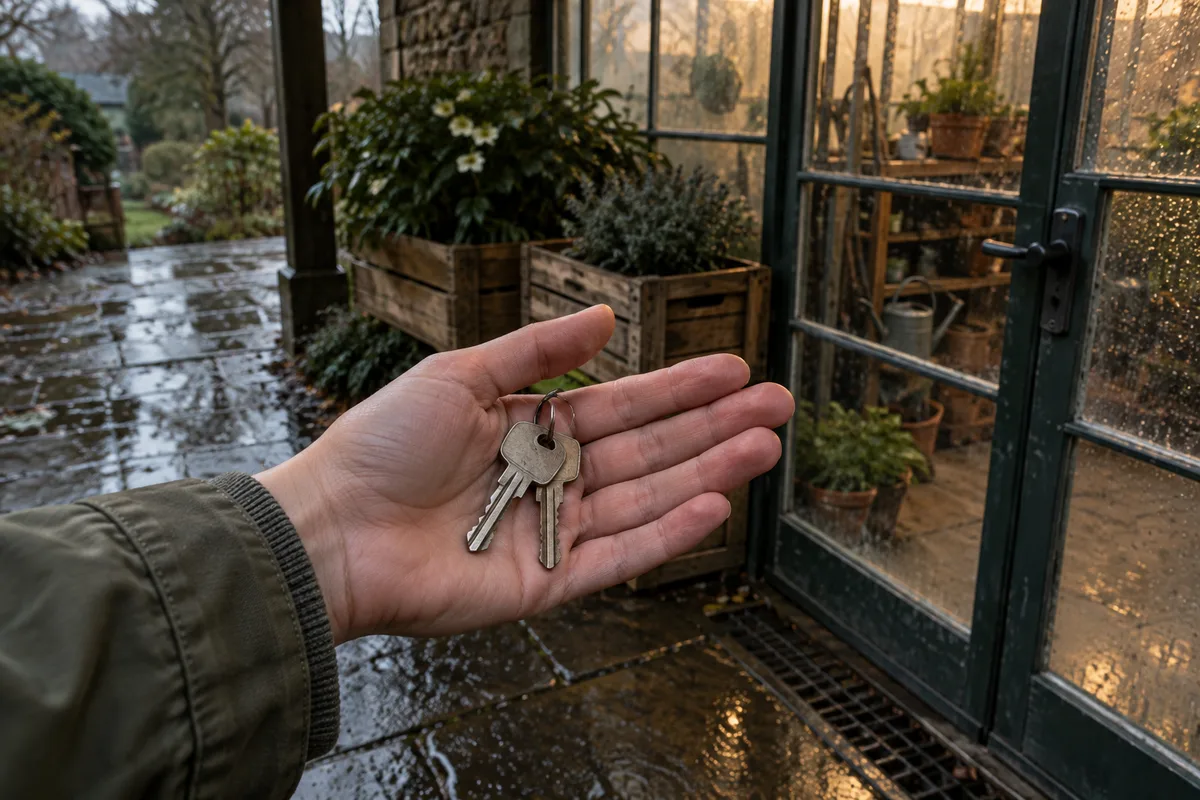
Specify where this scene occurs and what the present moment allows. Our greenhouse has one narrow exit, wet paving outside and an evening handover. Those facts matter because the workers must move plants and surrender access. A sentence about a green paradise would establish a feeling but leave the available actions vague. Begin with the doorway and the task, then add enough physical detail for readers to follow the movement.
Raymond Malewitz’s Oregon State lesson defines setting through time and place and examines its relationship to character, plot and theme. Use that distinction as a starting lens, without borrowing the lesson’s literary examples. Here, a lease and a deadline belong alongside glass and plants. The owner’s arrival changes who controls the space; rain changes what Noa considers a reasonable place to leave the collection.
Make a small working note with three established facts and one unresolved question. For example: one usable exit, crates waiting by the bench, handover at dusk; can they leave one crate overnight? Keep the question separate from facts. A possibility is not an arrangement already agreed by the owner. This distinction prevents a convenient permission from appearing halfway through the draft without a conversation or other believable cause.
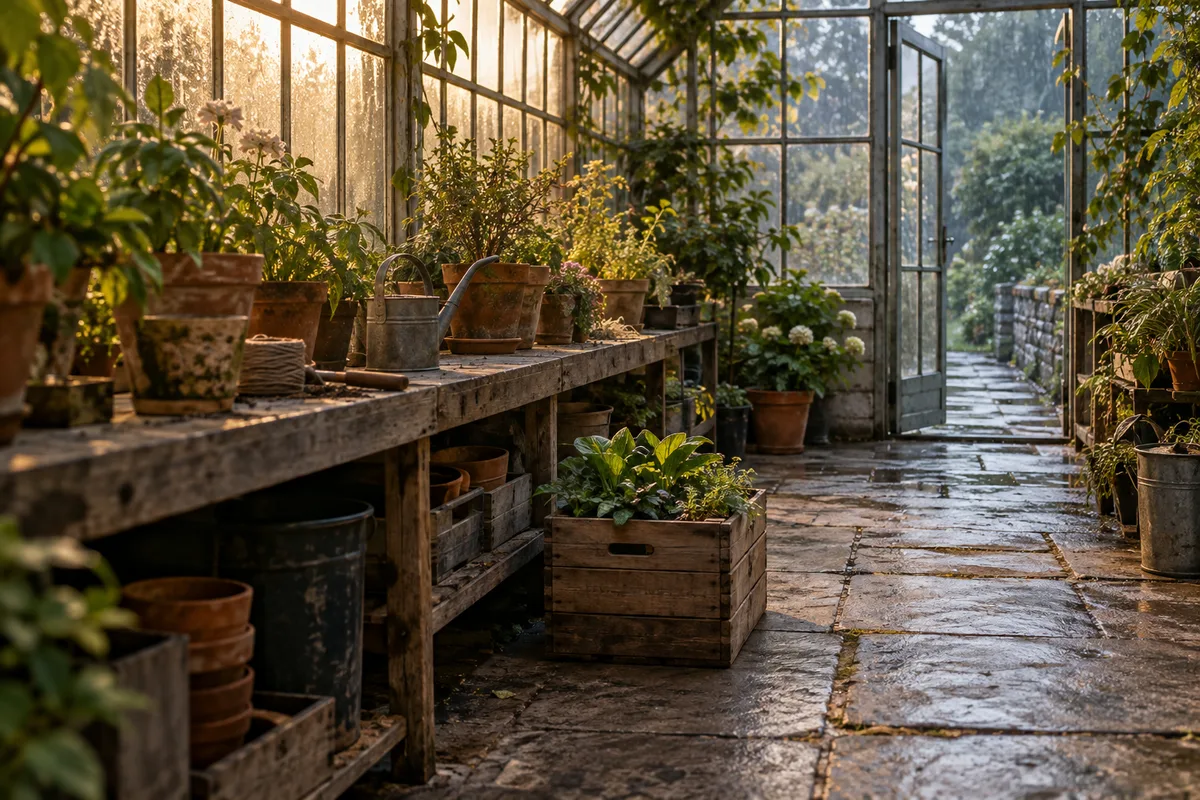
Put the location’s pressure into the premise
In Fyrlo, establish the Book project around an actual situation rather than requesting a richly described greenhouse. Noa must vacate a familiar workplace while trying to preserve a collection that has personal meaning. Ivo’s immediate goal is to finish the move, and he has not agreed to another delay. Choose the genre, tone and intended chapter count for the book you are making, then read the proposed plan before continuing.
Look for a chapter in which the handover creates a decision. If the plan spends a whole chapter describing plants and then moves everyone elsewhere without consequence, revise its summary. State the present task, the constraint and the possible change: carrying the last crates reveals that Noa has no suitable destination for them. The greenhouse now creates a problem that would not survive unchanged in a generic conversation scene.
Do not ask the plan to settle every feeling. You can preserve the practical problem while leaving Noa’s willingness to ask for help open. Write the accepted version in your own words, either in the editable plan or beside the manuscript. Treat generated suggestions as proposals. A plan that mentions an extra storage room has not established that room until you decide it belongs in the story and revise the relevant earlier details.
Connect the same place to different characters
Keep the relevant cast context together with the plot. Noa knows which bench gets the morning light and associates the greenhouse with years of patient work. Ivo knows the shortest route to the loading area and sees the room as the last obstacle in a long moving day. Neither view requires an explanatory biography. A detail selected during the work can reveal the difference: she checks a pot’s position while he checks the space around the crate.
Use the character and plot context in Fyrlo to preserve those accepted goals and relationships. Include what each person actually knows. Ivo may know that the lease is ending while remaining unaware that Noa’s replacement space fell through. The location is shared; their understanding of it is not. Avoid a continuation in which he responds sympathetically to news he has never received merely because the project summary contains that information.
Write one observation in each character’s possible voice, then choose the viewpoint of this scene. Noa might notice a pale rectangle where a long-standing pot has been removed. Ivo might notice that the same empty patch offers space to turn. These are original drafting exercises, not statements about all gardeners. Keep the chosen viewpoint stable enough that the reader understands whose priorities shape the description.
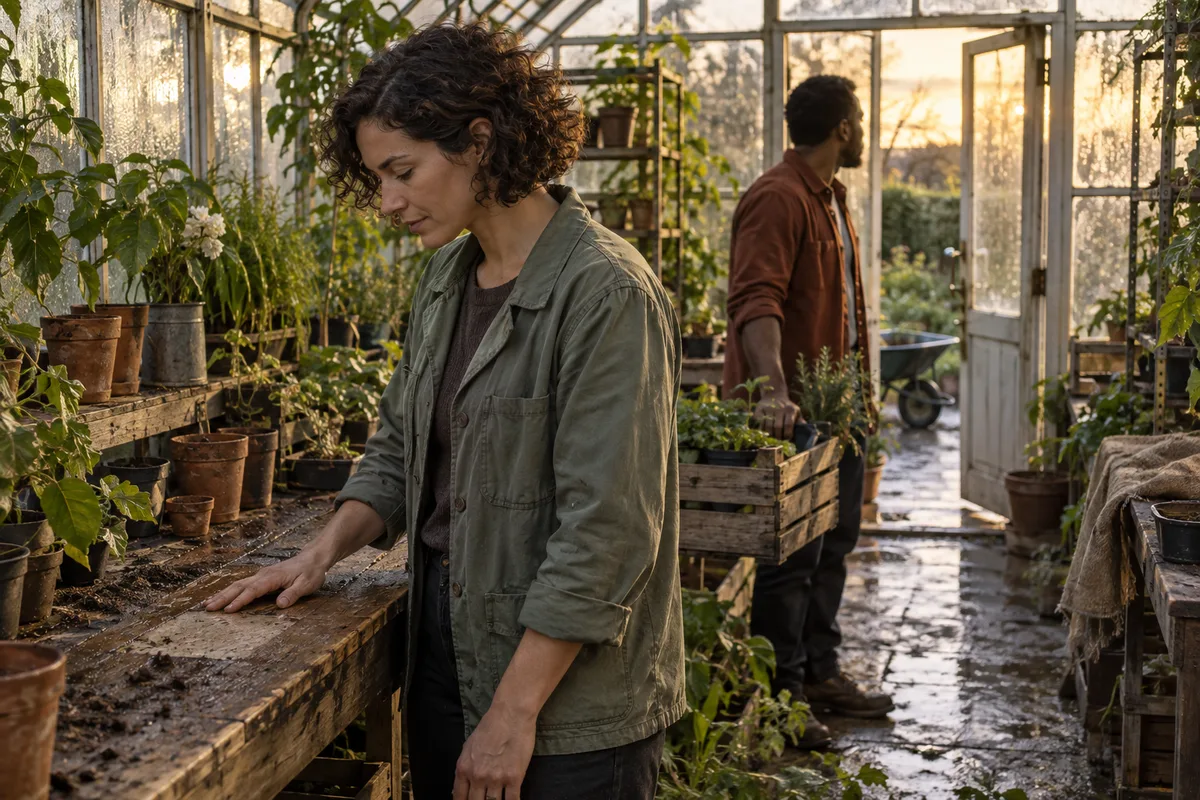
Select sensory details through the current task
Choose a few details that the work brings into attention. Damp wood makes a crate less pleasant to grip; rain on glass makes a quiet reply harder to hear; an open door lets cooler air into a warm room. You do not need one sentence for every sense. An exhaustive list can interrupt the work while still failing to establish where a person stands or what they are trying to reach.
Draft a short passage in which noticing leads to an action. Noa shifts her hands on the damp crate, asks Ivo to slow down and sees that the doorway leaves little room to pause. The detail affects movement and the exchange. If you remove the adjective but the physical relation remains clear, the sentence may already be doing its job. Add texture when it sharpens the reader’s experience rather than simply increasing the word count.
Give the setting room to contrast with emotion. Warm light and abundant leaves need not mean happiness; for Noa they may make leaving more difficult. Avoid turning every dark cloud into sadness or every bright window into hope. Read the paragraph once for location and once for attitude. A strong detail can support both readings, but the character’s interpretation should remain distinct from an objective description of the room.
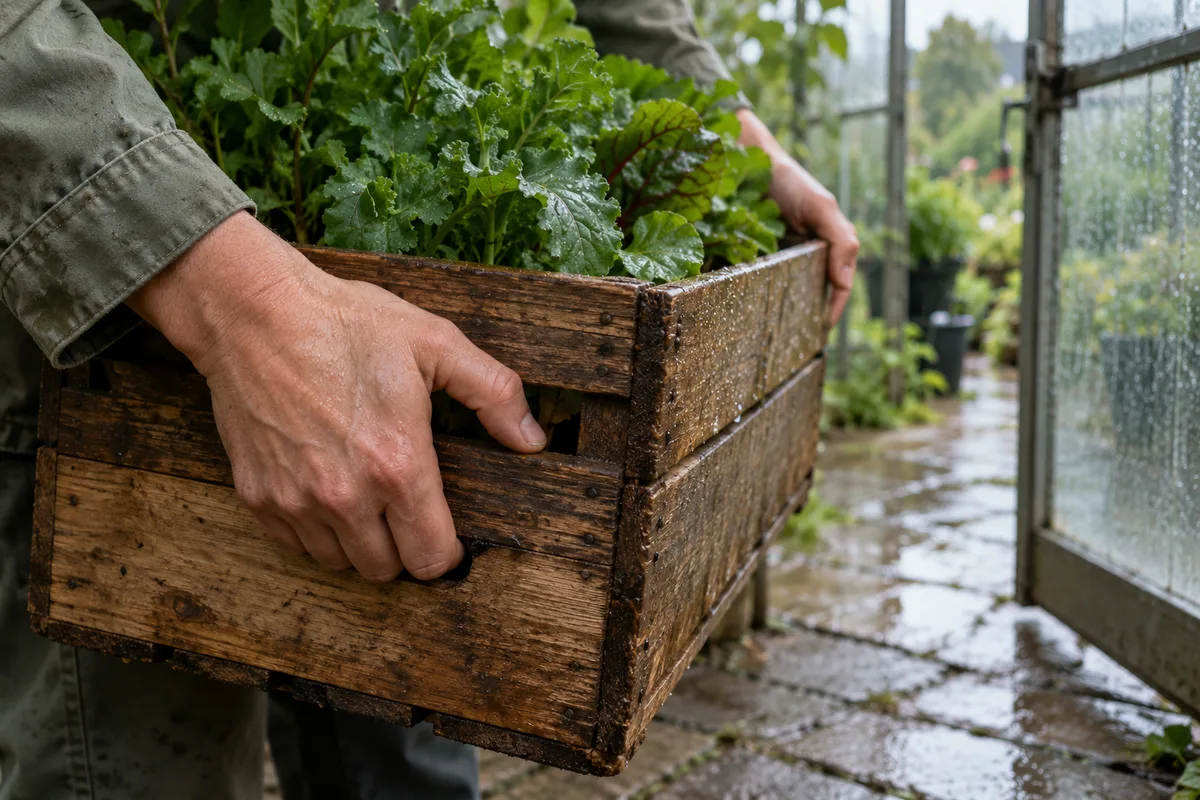
Check routes, access and changing conditions
Sketch the scene’s route privately: bench, narrow doorway, covered loading area. The sketch can be three lines on paper; Fyrlo need not provide a mapping tool. Check which person carries each end of the crate and where they can put it down. Readers do not need exact measurements, but they need enough continuity to believe the next action. A cramped exit should not become wide merely because the dialogue needs everyone side by side.
List what changes during the passage. Rain may strengthen, the owner may arrive, or the last empty bench may become available. Choose a change that makes a different action possible or costly. Avoid adding weather as a new obstacle every time a character hesitates. If the handover was already urgent, a new downpour may repeat the same pressure rather than deepen it. Ask what the change makes them decide now.
Separate invented premises from details requiring research. For a fictional greenhouse, you can define the arrangement, but realistic claims about plant care, construction or tenancy deserve independent checking. Do not treat a fluent generated explanation as evidence. This article offers a writing method, not gardening or legal instructions. Keep unverified specialist facts out of the passage until an appropriate source or qualified reader has checked them.
Compare one alternative with the facts held steady
Save the current paragraph in your manuscript before exploring a variation. Keep the same exit, rain, deadline and character knowledge; change only the emphasis of the description. One version might dwell on the empty bench, another on the wet path beyond the door. Ask for a short alternative with those accepted constraints, then compare it manually with the version you already have. No automatic comparison score is needed or promised.
Judge the options by the scene’s purpose. Does the empty bench sharpen Noa’s attachment? Does the path make her practical problem clearer? A more vivid sentence is not automatically the right one if it changes the viewpoint or introduces another doorway. Mark any new physical fact as a proposal. Accept it deliberately and revise earlier passages, or remove it. Do not allow an attractive phrase to rewrite the location invisibly.
Continue from the changed situation
Once Noa admits that she has nowhere suitable to take the collection, update the accepted scene outcome and relevant character context before continuing chapter by chapter. Ivo now knows the difficulty; the owner’s permission remains unresolved. The next passage should respond to those facts. It might move to the covered loading area, but it should not silently transfer the plants into an invented storage room and solve the dilemma without a choice.
Review the continuation for spatial and social continuity. Can everyone reach the place they occupy? Has the handover happened? Who has authority to grant more time? Check the first mention of every new place or permission. A practical solution can be welcome while still carrying a cost, such as asking for help Noa previously refused. The setting has affected the exchange without having to become a villain or a symbolic lecture.
Fyrlo helps draft and organize a project; it does not guarantee continuity, originality, factual accuracy or publication readiness. Its download is free, but functions or usage can require in-app purchases. Keep a human decision between generated text and accepted manuscript. If the continuation changes a fixed fact, revise the passage or consciously change the plan and every affected earlier reference before generating more material.
Revise what the place contributes
Read the scene with descriptive sentences temporarily hidden. If the same choices remain equally clear, the location may still be decoration. Restore the sentences that establish access, perception or consequence, then ask whether the scene would change if moved elsewhere. You need not make every object plot-critical. Some details supply atmosphere or rhythm, but the central constraint should belong to this particular place and moment.
Ask a reader to describe the route of the crate and why Noa cannot simply leave. Those concrete questions reveal more than asking whether the greenhouse feels immersive. If the route is unclear, improve one spatial relation. If her difficulty feels invented at the last moment, prepare the failed destination earlier. Do not respond to every uncertainty by adding another paragraph of botanical description or a narrator’s explanation of the theme.
Finally review the working note against the accepted manuscript. Remove abandoned rooms, replace tentative permissions with what was actually agreed, and retain the facts the next chapter needs. Read aloud for repeated descriptions and inflated phrasing. The aim is a place with understandable consequences and a viewpoint with selective attention. Your final judgment, including whether the scene belongs in the novel, remains a writing decision rather than an app output.
Good to know
Questions and answers
Does a story setting need a long description?
Give readers enough to understand the scene’s movement and choices. Add atmosphere selectively; length depends on the passage’s purpose and the novel’s rhythm.
Can Fyrlo check a fictional map?
This workflow uses a private sketch and human review. It does not assume a mapping tool or automatic spatial verification in Fyrlo.
What should stay fixed when comparing descriptions?
Keep place, time, access and character knowledge steady. Change one descriptive emphasis, then accept new facts deliberately before continuing.