
Choices and consequences
Story stakes begin with one possible loss
Give a quiet decision a visible cost. Plan a rehearsal promise, compare one alternative with Fyrlo, and review what the next scene can still do.
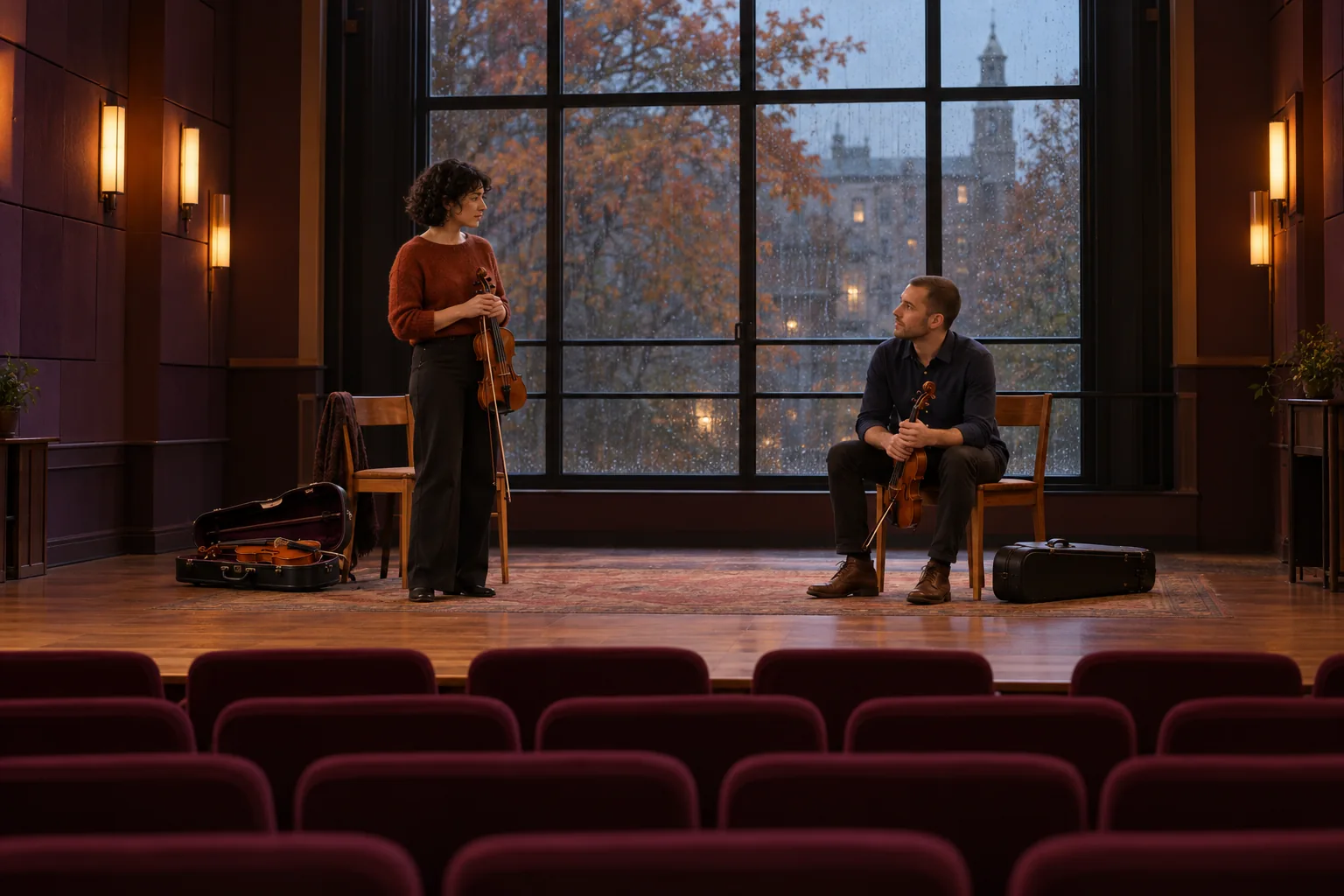
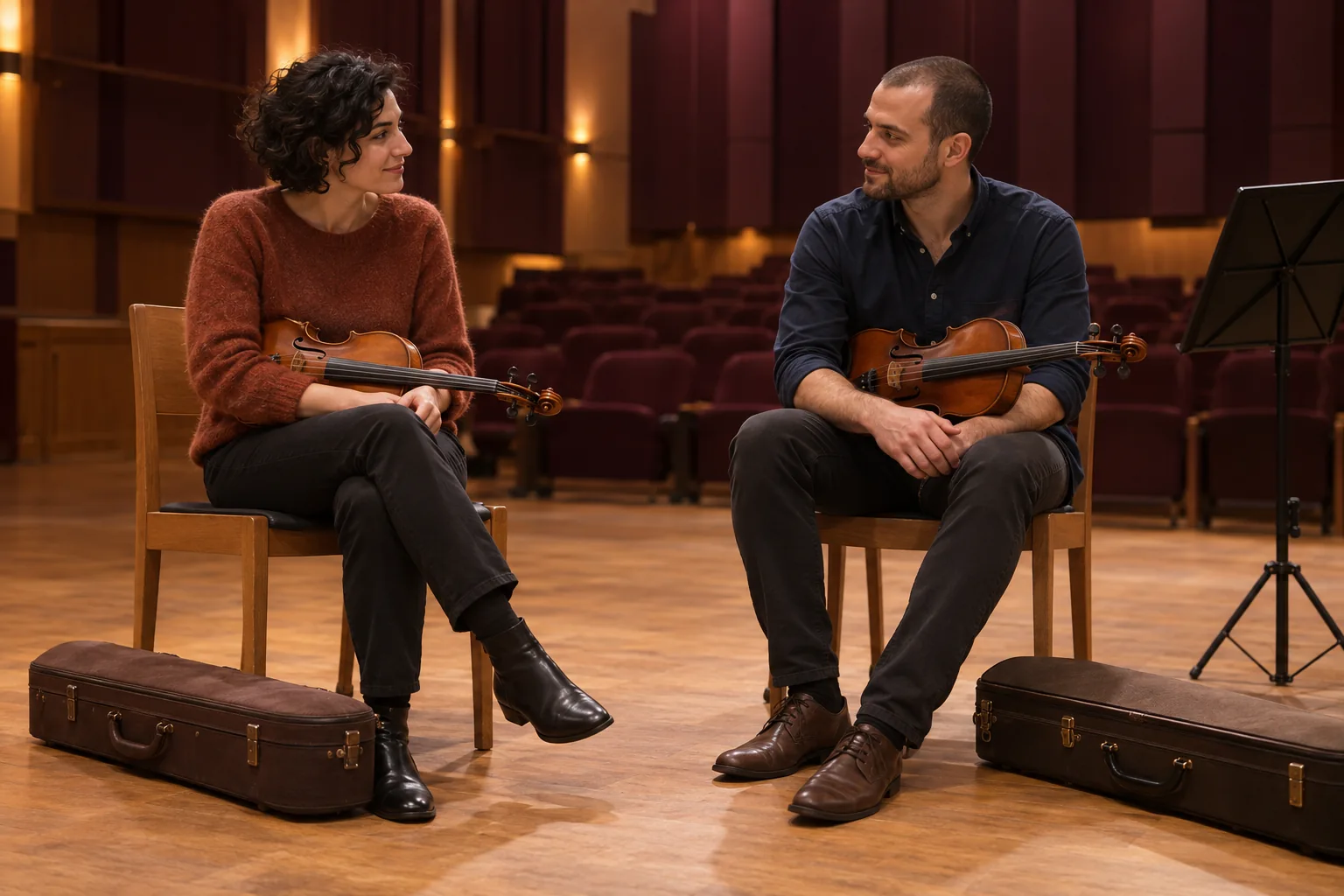
Nora has twenty minutes left in the rehearsal room. She wants the whole remaining slot to practise an uncertain solo entrance, but she promised those minutes to Elias for a complete run of their duet ending. Your draft says the decision is important, then lets her do both without losing anything. The scene has a choice in its dialogue and no consequence in its action. Story stakes become clearer when you can name the particular opportunity, commitment or relationship that a decision puts at risk.
This guide develops an original example with two adult violinists. You will establish the promise, distinguish a possible loss from an inevitable disaster, and use Fyrlo to explore one bounded alternative. Keep an ordinary document containing the accepted facts beside any generated draft. The task is to make the existing choice legible, rather than add a ruined career or an angry audience simply to make the situation sound larger.
Story stakes begin with a specific possible loss
Write what Nora might lose in a sentence you can check against the scene. If she gives the remaining time to the duet, she loses this opportunity to work on her solo entrance in the room. If she takes that time for herself, Elias loses the full rehearsal she promised. Those consequences are available now. Neither automatically means a failed performance, a broken friendship or a public humiliation later.
Separate this question from what Nora wants and what stands in her way. Her immediate aim is to practise the entrance; the shared room time limits her options. Oregon State University's explanation of literary conflict connects desire with an obstruction or opposing desire. That supports this distinction, not the specific consequences or workflow proposed here. Our musicians and every rehearsal detail are original examples.
Check whether a reader knows the promise before the decision arrives. A line about Elias putting his case beside the second chair might establish his presence, but it does not establish what Nora agreed to do. Supply the agreement through an earlier exchange or a brief, natural reference. The important fact should be available when the reader needs to understand the cost, without a paragraph announcing how important everything is.
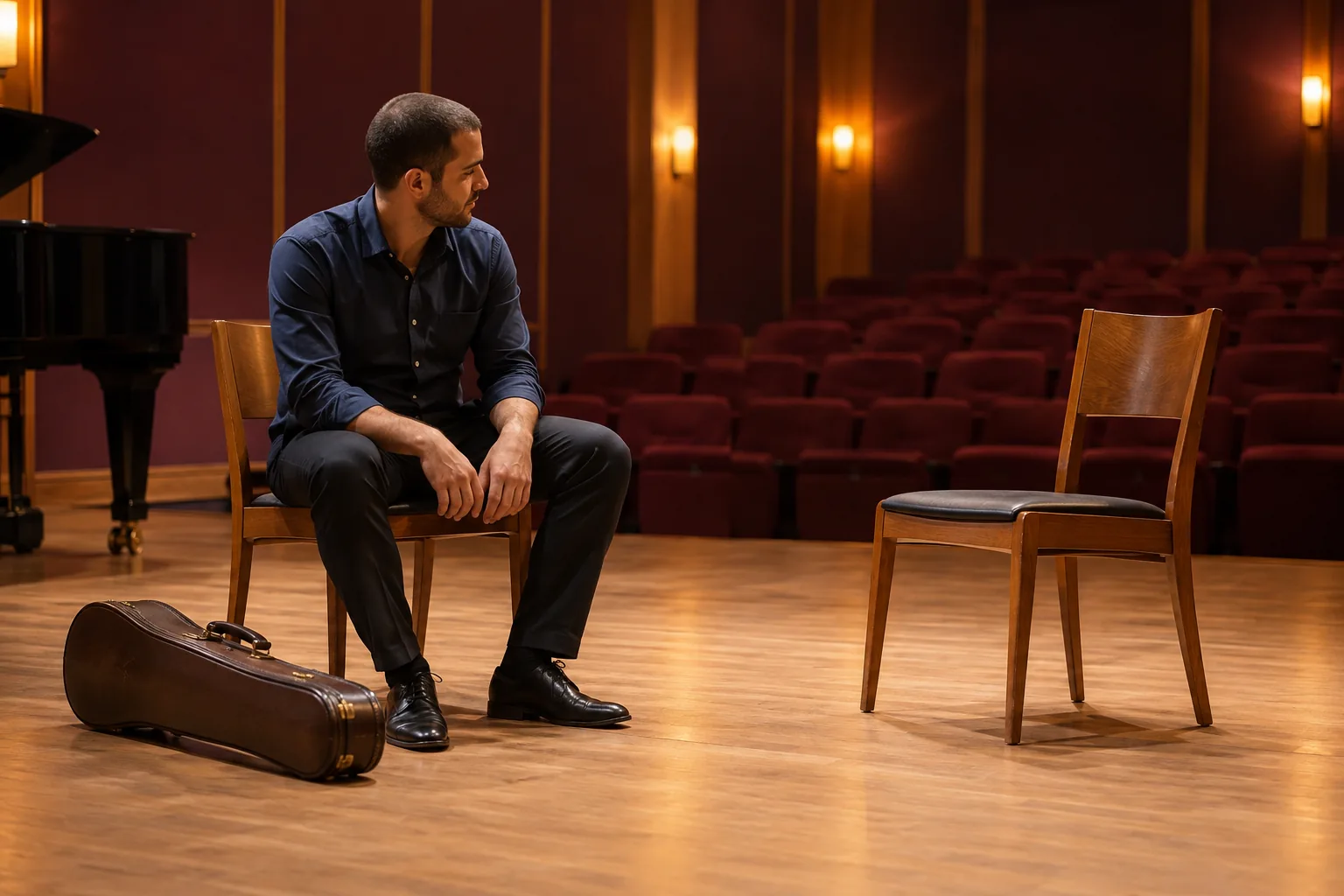
Give Fyrlo a premise with accepted limits
Begin a Fyrlo planning session with the actual problem: two musicians share the last twenty minutes of a room booking, and one has promised the other a complete duet ending. Add Nora's wish to practise her solo entrance. Ask for a scene plan in which her decision changes how those minutes are used. This gives the drafting aid a defined task rather than a request to make the story more dramatic.
Keep three sorts of information apart in your reference document. Accepted facts include the time remaining and the promise. Nora's belief that extra solo practice might help is a belief, not proof of a future result. An idea such as Elias having a train to catch is only a proposed addition unless you have established it. Do not let a useful suggestion silently become part of the story's history.
You can develop the premise and plan in Fyrlo while keeping character and plot context together. This does not make the app a verified store of every accepted detail. Retain your own concise reference and compare new text with it. The relevant product workflow is planning and drafting; this guide does not assume a dedicated stakes calculator, a rehearsal timer or an automatic continuity approval control.
Plan the decision before drafting its explanation
Use a short sequence that can be followed physically. Nora opens her case, notices the entrance she still wants to work on, and remembers the promised duet run. Elias is ready at the other chair. She must use the remaining time, ask for a different arrangement, or leave the agreement unfulfilled. End the plan at a visible next action, such as proposing a shorter individual practice before the shared run.
Do not decide Elias's answer merely because the proposal would be convenient. If Nora asks for five minutes alone and fifteen together, he can agree, question whether fifteen allows a complete ending, or explain another preference. Choose the response that fits his established circumstances. A negotiation is an event with another person's participation, not a private decision that automatically rearranges somebody else's commitment.
The plan should distinguish the moment of choice from its explanation. Nora can say why she is worried, but saying it does not spend the minutes or complete the duet. A useful drafting instruction asks for speech followed by an observable response and a change in the shared task. You can then examine whether the scene actually carries the cost described in your planning notes.
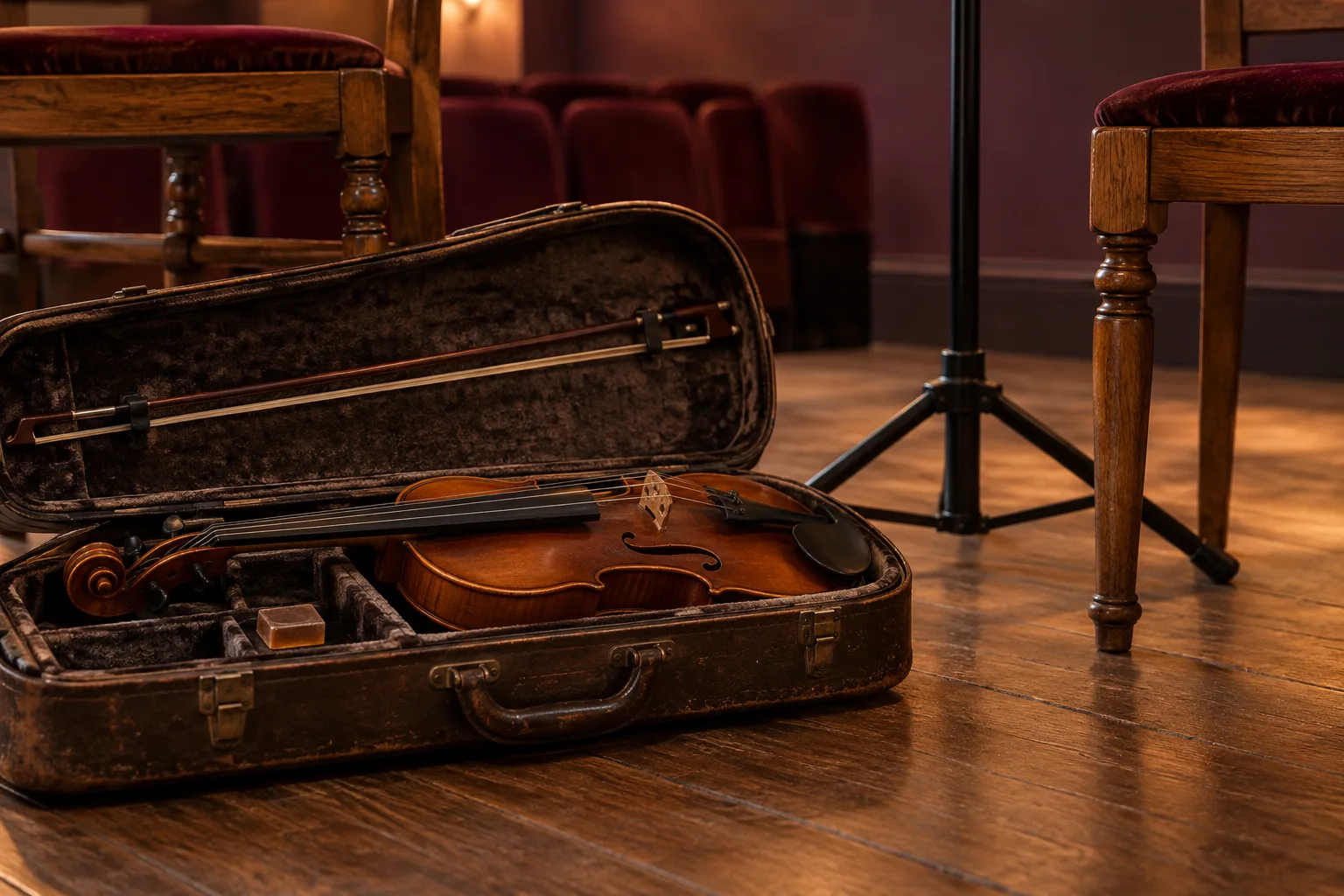
Ask for one candidate that preserves the promise
Give Fyrlo the accepted sequence and request one short passage around Nora's proposal. Specify that the booking still has twenty minutes left at the start, both violinists know about the promised ending, and neither has agreed to shorten it yet. Ask the draft to stay with information available in the chosen viewpoint. You need a candidate for this decision, not a replacement history for the whole partnership.
An example instruction could ask Nora to request five minutes for her entrance and let Elias respond before either starts playing. Keep his answer open until you have chosen it. If the generated passage invents a previous argument, a competition deadline or a producer waiting outside, mark those additions as suggestions. They do not become established merely because they make the paragraph more fluent or seem to explain a reaction.
Read the result for action first. Does a request actually occur? Can Elias answer it? Does the room remain the same room? Then review the prose for proportion. An everyday conversation can carry a meaningful cost without every pause becoming a warning of permanent damage. Keep the agreed promise present, and remove language that asks the reader to assume consequences the scene has not supported.
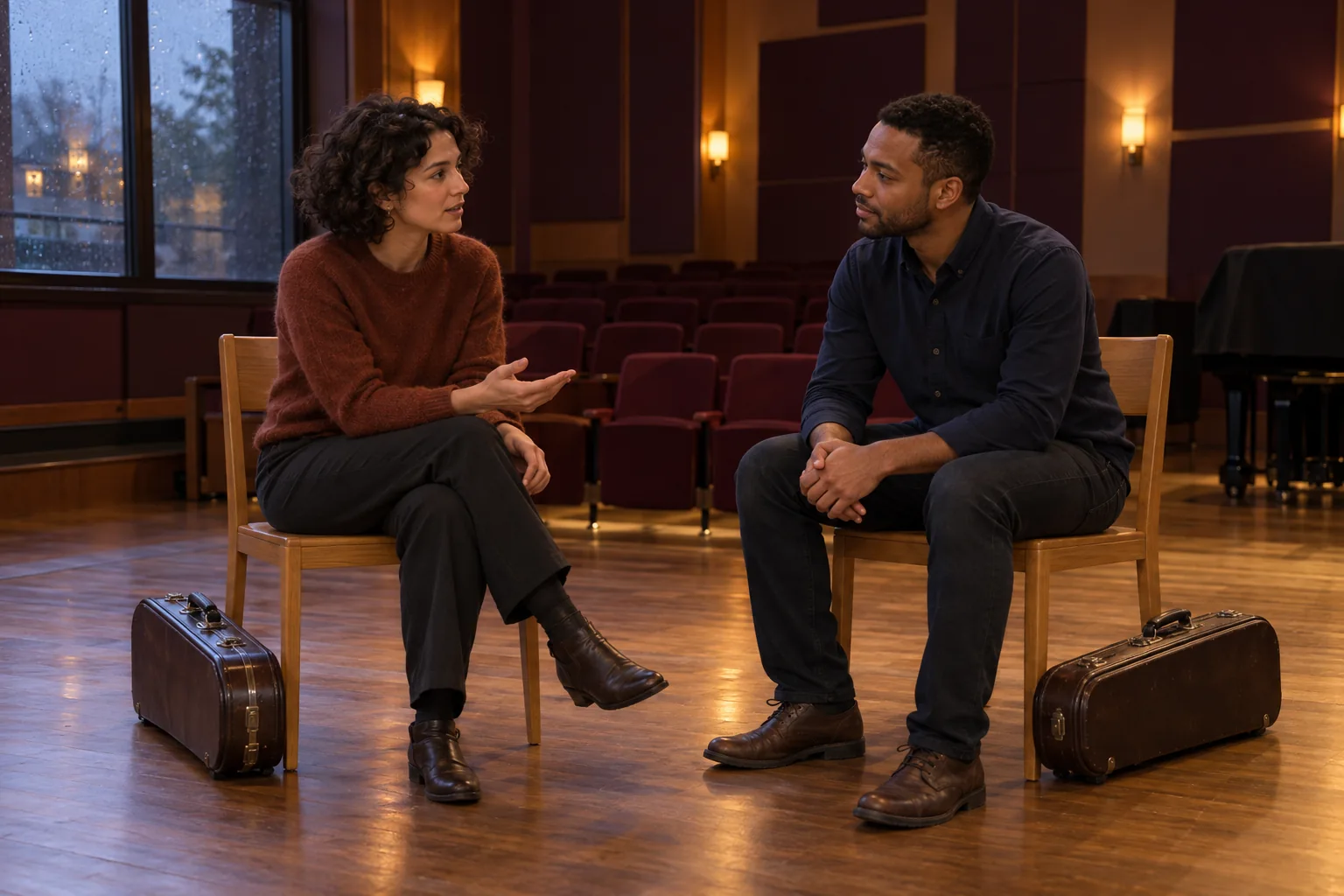
Compare an alternative with the same available time
Now try a focused alternative: Nora begins the promised duet without requesting solo time. Keep the room, twenty-minute starting point and previous agreement unchanged. This version spends her available practice opportunity differently. It may suit a character who follows through despite uncertainty. It need not prove that she is selfless, that the first version is selfish, or that either choice predicts her whole personality.
Compare the two passages against one question: what is given up in each? In the negotiated version, establish whether Elias accepts a changed arrangement and what that alteration means for the rehearsal. In the direct duet version, show that Nora leaves her own entrance unworked for now. Avoid comparing a carefully grounded paragraph with a sensational alternative that adds new facts, because that would change the problem being tested.
Keep only the version you can explain in terms of this scene. You may prefer Nora to honour the original agreement, or you may want the negotiation to expose a tension worth developing. That is an authorial choice. A generated suggestion cannot determine what your story should value. Your accepted plan should record the actual decision and its local consequence before the next chapter extends it.
Distinguish a risk from an outcome already earned
A possible loss belongs to the decision; an actual result needs support in the subsequent action. Nora may worry that leaving her entrance unpractised will make her less prepared. That concern does not establish that she will play it badly later. Likewise, Elias might be disappointed if the promised run does not happen. Lasting distrust requires more evidence than the writer's desire to make the decision feel significant.
Review conditional language and viewpoint. A thought such as “she would have no second chance in this room today” is different from “the concert was already lost”. The first can match an established booking limit. The second makes a much larger claim. Choose whether it is Nora's exaggerated fear or a narrator's assertion, and make that distinction clear enough for the surrounding scene to carry it.
This is also where motivation and stakes separate. Nora's reason for wanting practice helps explain her action; what becomes unavailable after the decision gives the choice its local cost. You can review a motive in a separate pass, then return to the consequence. Keep that pass bounded so that a discussion of her whole childhood does not replace the immediate work of deciding what the rehearsal now permits.
Continue from the accepted use of the room
Before continuing chapter by chapter in Fyrlo, update the accepted context yourself. Record which version you chose, what Elias agreed to, and which work has actually been done. If Nora asked for a change but Elias has not answered, do not describe the next section as though the new arrangement were settled. A pending request is a different starting condition from an accepted plan.
Ask for the next short passage to begin with the agreed physical action. In the direct duet version, both musicians prepare for the shared ending. Nora's solo concern can remain unresolved without interrupting every line. In a negotiated version, the work begins according to the arrangement they actually accepted. Keep any elapsed minutes consistent, rather than silently restoring a fresh twenty whenever a new paragraph begins.
Review that continuation before adding more. Check the instruments, who is ready, what was promised and which opportunity remains. If the passage grants Nora the full solo practice and the complete duet despite your established limit, decide whether the plan was unrealistic or the draft ignored it. Correct the cause you find. Merely adding a sentence about pressure will not restore the missing consequence.
Finish with a consequence the reader can identify
Read the scene without the planning notes. Ask a test reader what Nora gave up and what Elias understood had been agreed. Their answer offers evidence about this passage, not a universal verdict on quiet fiction. If the answer is unclear, locate the missing promise, proposal, response or action. Repair that particular step before introducing a larger threat that would require a different story.
Stop generating alternatives once the accepted passage communicates the intended choice. Keep a short record of the revision so later drafting starts from what actually happened. You can still revise the surrounding chapter, but do not quietly convert an unused suggestion into a remembered event. A small, visible consequence gives subsequent scenes something precise to acknowledge, question or change through new action.
AI Story Draft is published by Fyrlo's developer. Fyrlo is free to download; features or usage may require in-app purchases. Planning and drafting suggestions do not guarantee factual accuracy, consistency, originality, literary quality or publication readiness. Keep responsibility for the accepted text and its consequences. In this example, the work is complete when Nora's use of the room, her promise and Elias's response belong to the same understandable sequence.
Good to know
Questions and answers
Do story stakes have to involve a disaster?
No. A lost opportunity or an unfulfilled commitment can matter when the scene establishes why it affects these people. Keep the consequence proportionate to the facts you have written.
Can Fyrlo decide the right cost for my character?
It can suggest possibilities while you plan and draft. You decide which fit the accepted facts, then review the passage and update your own reference before continuing.
Does a risk prove what happens later?
No. A character may fear an outcome without the story confirming it. Distinguish that belief from events you have actually established in subsequent scenes.