
Novel structure and drafting
Can Fyrlo help you draft a story midpoint?
Compare two versions of a turning scene and check which decision gives your next chapter something new to do.

Mara has spent six chapters trying to get a workshop key across a harbor. She finally reaches the ferry and finds its ramp raised. If the next six chapters simply send her from one delayed crossing to another, the novel will keep asking a question the reader already understands. A story midpoint earns its place when a familiar objective suddenly requires a different kind of decision.
In this exercise, Mara can still deliver the key. She has to abandon a private shortcut and ask someone she has avoided for help. We will plan that turn, try two versions with the same underlying facts, and decide which version can sustain the next chapter. Fyrlo can help draft the trial scenes once you know what you want to compare.
Give the story midpoint a consequence
A chapter published by SciELO Books describes Syd Field's screenplay midpoint as a change in direction within the second act. Borrow that idea for a novel by looking at the work the event does. A book can slow down or speed up between chapters, so treat the approximate middle as a useful place to look rather than a required page number.
Before the turn, Mara expects to take the ferry, deliver the brass key to Jo, and get home without speaking to her former colleague Ana. The canceled crossing exposes a constraint she thought she could avoid. The key opens the shared workshop where Jo has agreed to prepare an order that morning. Jo can wait at the workshop for twenty minutes. After that she has another commitment. The clock matters because of an agreement already in the story.
Write the change in two sentences. Before, Mara thinks punctuality is a matter of riding fast. After, she has to decide whether to trust another person with the delivery. These sentences are notes for the writer. In the scene, show the raised ramp, the moment Mara learns about the service road, and her choice to make the call. Let those events carry the change instead of having the narrator name the structural beat.
Find the plan the reader expects
Read the two chapters before your proposed turn and underline the actions that serve the current plan. Mara checks the departure time, takes the downhill route, and turns down a stop because she can make the next crossing. Those actions let the reader predict the next step. If her plan exists only in your outline, the raised ramp will feel like an isolated inconvenience.
Put a limit on what the early chapters need to establish. One clear time check can do more than a paragraph about the city's ferry system. One brief exchange can show that Mara and Ana have stopped working together without explaining their entire history. Establish the access rule that only Ana knows which service entrance is open. Then the choice to ask her has a concrete cause when the main route closes.
Use the guide to setting and practical pressure to check how the harbor makes the original plan attractive. When you revisit the early pages, protect details that still matter after the turn. The time limit and the key remain in play. The exact street Mara took downhill might only be useful if she will return that way or if its gradient makes the early choice intelligible.
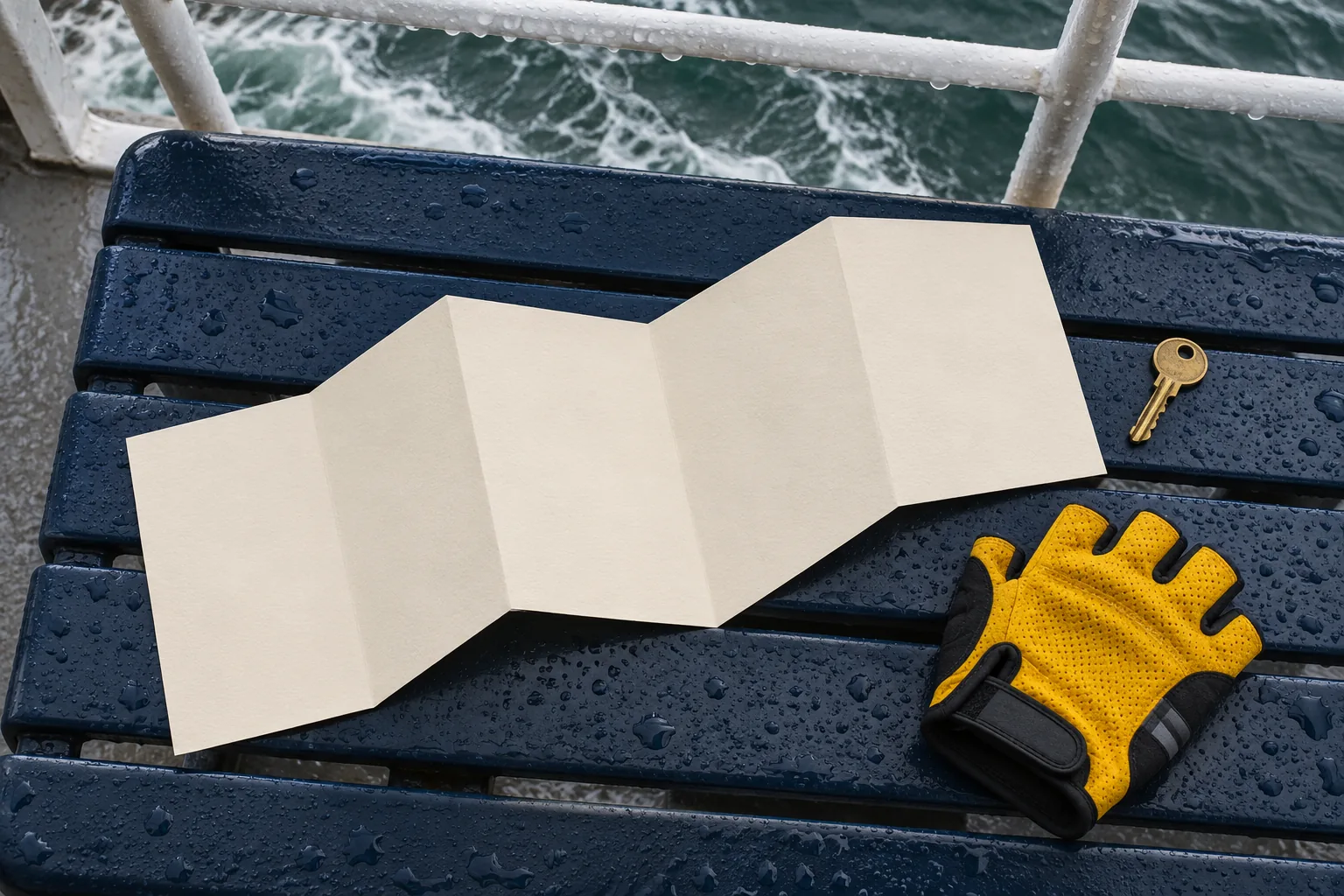
Make the new route possible before it becomes necessary
An alternative works when the story has given it an independent reason to exist. The service road leads to the older harbor workshop entrance. Mara has seen maintenance riders come out of it. She knows the road is there but has never needed to learn where it crosses the yard. Ana used that entrance when she handled early deliveries.
Think about why Mara did not choose this route immediately. The ferry was faster under normal conditions, and she expected to keep the delivery between herself and Jo. The road requires a handoff at the blue gate. Ana can take the key from there and reach the workshop on time. Now a physical route and a relationship problem intersect in one task.
Check the route in a short timeline. Mara reaches the ramp with twenty minutes left. Riding to the blue gate takes eight. Ana is already close enough to meet her, and the remaining trip takes seven. That leaves five minutes for the call and handoff. Your draft need not recite the arithmetic. Keeping it in your notes helps you avoid a miracle arrival or an argument that somehow takes no time.
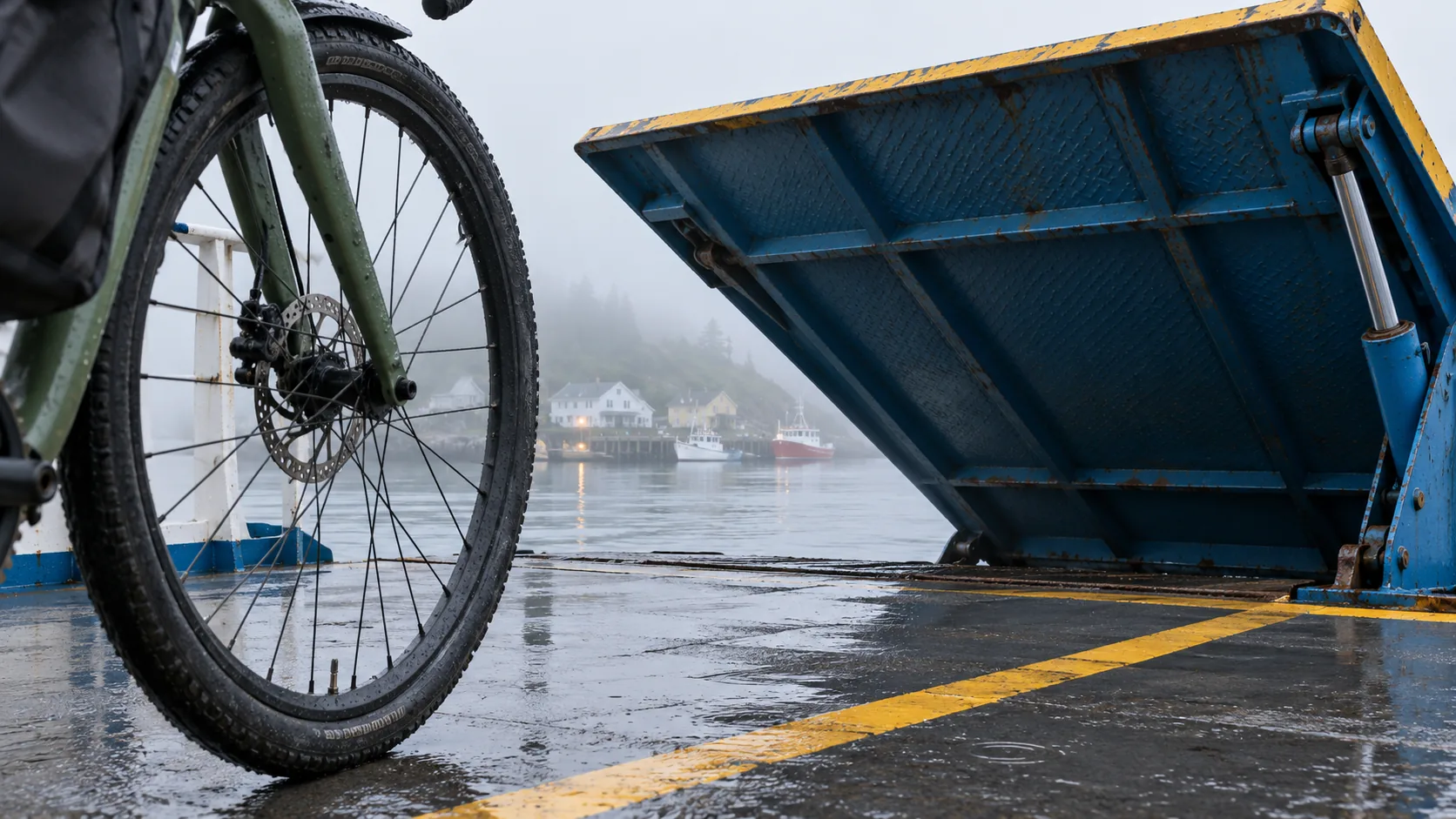
Record the turn in Fyrlo
Start with the premise in your project. A courier must honor a delivery promise after losing the route that let her work alone. Bring the agreed time, the ferry closure, the usable gate and the relationship with Ana into the same planning context. Give each character an immediate purpose. Mara wants the key delivered, Ana needs a clear request, and Jo wants to open the workshop before she leaves for her other commitment.
Plan four actions for this scene. Mara checks the ramp, confirms the crossing is unavailable, calls Ana, and commits to meeting at the gate. Mark the last action as the handoff into the next chapter. If a draft keeps Mara on the dock debating her options after she makes the call, it may be spending the momentum the turn just created. Start the next chapter with an action that tests the new plan.
Fyrlo can help organize a premise and develop chapter drafts. The planning context is material you supply and verify. A draft can introduce a new shortcut or give someone information they did not receive. Check each version against your notes and the earlier chapters. The app is free to download, and some features or usage can require in-app purchases. Check what is available to you before relying on a particular drafting session.
AI Story Draft is published by Fyrlo's developer. Judge the exercise by whether the drafts preserve the facts, make the choice visible and give the next chapter a new task. If you can already compare those effects from your outline, write the scene directly.
Compare the same decision under two pressures
Make two short versions in which Mara ends by asking Ana to meet at the gate. In the first, a worker confirms the ferry is out for the morning. Mara must make the call with enough time to explain the assignment clearly. The pressure comes from the time it takes to put an alternative into motion. The worker needs no special knowledge about the two women.
In the second, Mara sees the raised ramp and learns that the ferry could reopen in ten minutes, with no reliable promise. She can gamble on a familiar route or commit to the gate. The point of comparison is her willingness to make a choice while one tempting option remains open. Keep the time limit, locations and character knowledge fixed across versions.
Give Fyrlo one bounded drafting request at a time. Supply the accepted facts and ask for a compact scene ending when Mara leaves for the gate. Read both versions for the precise moment her decision becomes apparent. If a version adds an accident or sends Ana to the dock, treat that as a new proposal that would need its own review. Return to the same prompt conditions before comparing the scenes again.

Decide what kind of second half you want
A definite closure produces a clean logistical problem. Readers can watch Mara solve it and find out how the relationship changes through cooperation. An uncertain reopening puts more weight on her agency. Readers watch her choose an imperfect plan without waiting for the harbor to make the choice for her. Both approaches can work, and either one can fail if the next chapters merely repeat the phone call's conflict.
Use the guide to chapter endings to check the move from decision to action. In the gate chapter, Mara can arrive to find Ana on the other side. The reader already knows why they are there. Show what remains unsettled. Mara may have to give a precise instruction and then step away from the task, a new kind of difficulty for someone who has tried to oversee every leg herself.
Keep one small thing unresolved. Ana can accept the key without forgiving what happened in their earlier partnership. Jo can open the workshop without learning why the delivery changed hands. Each person experiences a different consequence, which gives later chapters room to develop. The turn has changed what Mara does today, and the relationship can take longer to catch up.
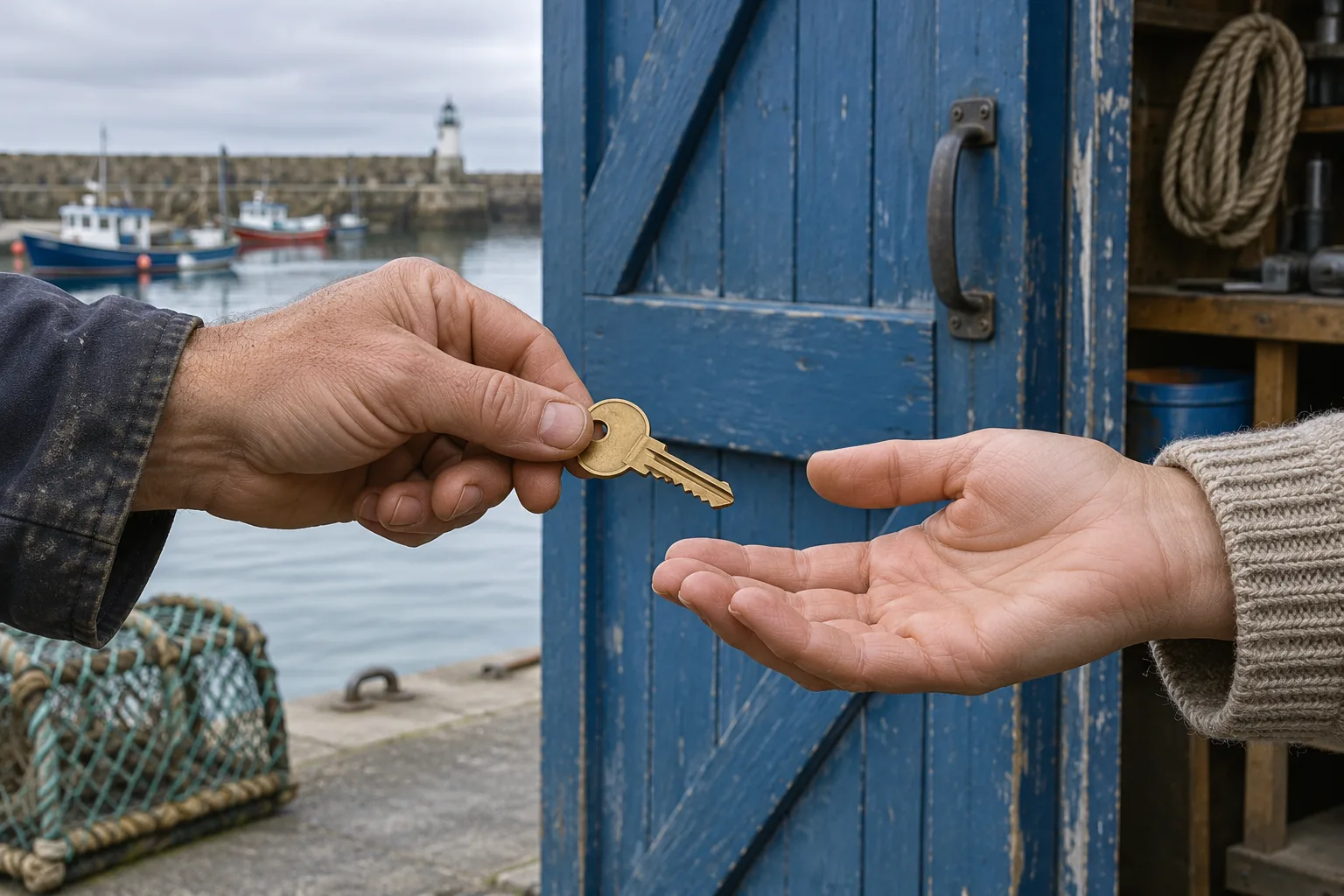
Test the turn across the chapter boundary
Read the end of the ramp scene and the first page at the gate aloud. Check where Mara is, what she carries, who expects her, and how much time is left. The road should feel like the consequence of a decision she made in view of the reader. If the next page needs a long explanation of how she got there, move the essential instruction into the call or add a brief arrival cue.
Try a removal test. Imagine deleting the call and starting the next chapter at the gate. What important action would the reader have missed? In this example, the call shows Mara making a request she would have avoided earlier. Removing it could make her presence at the gate feel convenient. In another story the important decision might happen at the gate itself, which could make the dock sequence shorter.
Use the same check for later chapters. Give each one an effect that depends on the turn. The first tests the handoff. A later one lets Mara see the delivery succeeded and reckon with what Ana now knows. You can move a chapter, but inspect the change in knowledge and obligations before you do. A later conversation should reflect the version of the midpoint you accepted.
Continue from what you accepted
Keep a brief note before you ask for the next chapter. The ferry is out for the morning, Mara told Ana exactly which key she has, and the handoff will happen at the blue gate. Include the remaining time and the fact that Jo is waiting at the workshop. Leave the uncertain reopening in the discarded version so it cannot quietly become a second fact in the same draft.
Once the gate chapter is drafted, look for a concrete result. Ana receives the key, Mara stays outside the yard, and Jo confirms the door opened. You might delay the confirmation, in which case the next chapter has a specific uncertainty to carry. In either case, read the passage yourself for rhythm, plausibility and continuity. Generated drafts can help explore options, and the final sequence of events remains an editorial decision.
For your own novel, choose a plan the reader can see, a constraint that changes what is possible, and a decision the character could plausibly make under pressure. Read the first scene afterward before polishing the turning scene. If the new chapter asks a genuinely different question and follows from the choice on the page, you have a useful middle turn to develop.
Good to know
Questions and answers
Does a midpoint have to fall exactly halfway through a novel?
No. Use the middle as a search area. Place the turn after the initial plan has become legible and early enough for its consequences to develop.
Can a quiet decision count as the turn?
Yes. A small request can matter if it changes who participates, what the character risks, or what can happen next. Show the result in a later action.
How much should I generate in Fyrlo for the comparison?
Start with one short scene per option. Keep the same accepted facts, compare a single change, and review the version you choose before drafting the next chapter.